
Budgeting Debt Free: 12 Best Books for Debt-Free Living
Use this budgeting debt free collection to find practical budgeting books, debt payoff books, and money systems that fit the financial problem you are trying to solve.
Affiliate disclosure: As an Amazon Associate, Every Dollar Grows earns from qualifying purchases at no additional cost to you.
Budgeting Debt Free Books: Choose the Right Approach
Compare the best budgeting books and debt free books by what each one is most useful for.

The Budgeting Habit
A focused guide to creating a realistic budget, choosing a method, setting goals, and making budgeting a habit you can maintain.
EDG Quick Review
Strongest point: Treats budgeting as a repeatable behavior rather than a spreadsheet you build once and forget.
Know first: Its scope is intentionally narrow. This is primarily a budgeting book, not a complete personal-finance reference.
Key idea: A simple budget you consistently use is more valuable than an elaborate system you abandon.

The Total Money Makeover
A clearly sequenced system for starter savings, debt elimination, long-term saving, and financial progress.
EDG Quick Review
Strongest point: Removes decision overload by giving readers a defined order in which to attack financial priorities.
Know first: The approach is deliberately rigid, and some households may reasonably make different choices based on their circumstances.
Key idea: Visible progress and a clear sequence can make a long debt payoff easier to sustain.

You Need a Budget
A method-focused approach built around intentionally assigning money, preparing for larger expenses, and adjusting when life changes.
EDG Quick Review
Strongest point: Makes room for real-life change instead of treating a budget as a fixed plan that fails when one category moves.
Know first: The book is centered on the YNAB budgeting philosophy rather than every area of personal finance.
Key idea: A useful budget tells the money you already have what it needs to do next.

I Will Teach You to Be Rich
A practical system covering banking, credit, saving, investing, automation, and intentional spending.
EDG Quick Review
Strongest point: Connects several financial decisions into a system that relies less on repeated willpower.
Know first: The writing style is intentionally strong and informal, and specific account or product recommendations can change over time.
Key idea: Automate important financial priorities first, then spend what remains intentionally.
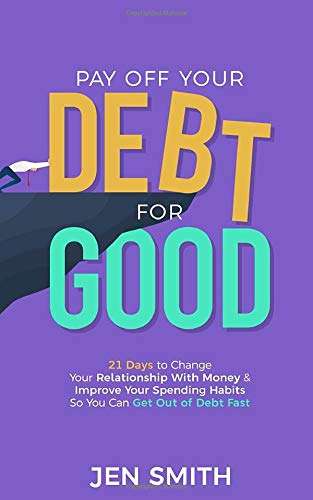
Pay Off Your Debt for Good
An action-oriented look at the habits, setbacks, motivation, and spending patterns that can derail a debt-payoff plan.
EDG Quick Review
Strongest point: Focuses on why people fall off a debt plan instead of treating debt payoff as nothing more than arithmetic.
Know first: This is most useful for readers who need behavioral structure and practical action rather than a comprehensive financial system.
Key idea: Build a debt plan that anticipates motivation dips and real-life setbacks before they happen.

Zero Down Your Debt
A debt-focused guide built around a zero-sum budget that gives income a purpose before it disappears into unplanned spending.
EDG Quick Review
Strongest point: Connects budgeting directly to debt reduction instead of treating the two as separate projects.
Know first: Using prior income to fund the current month can require time and a cash-flow buffer to implement comfortably.
Key idea: Decide where each dollar belongs before everyday spending makes the decision for you.

The No-Spend Challenge Guide
A short-term spending reset designed to expose triggers, reduce unnecessary purchases, and create momentum toward a financial goal.
EDG Quick Review
Strongest point: Turns a vague goal like “spend less” into a defined experiment with clear boundaries.
Know first: A no-spend period works best as a temporary reset, not as a permanent lifestyle or punishment.
Key idea: Removing optional spending for a short period can reveal the triggers and routines your normal budget misses.

Your Money or Your Life
A deeper framework for examining the relationship between money, work, time, consumption, and financial independence.
EDG Quick Review
Strongest point: Makes readers evaluate a purchase by the time and work required to pay for it—not only by its price.
Know first: Some of the tracking exercises are more intensive than a typical beginner budget.
Key idea: Spending is also an exchange of time, work, and opportunity.

The Financial Diet
An approachable introduction to budgeting, spending, credit, career decisions, investing basics, and managing everyday adult finances.
EDG Quick Review
Strongest point: Makes personal finance feel accessible to readers who find traditional money books dry or intimidating.
Know first: It covers many topics, so individual subjects are not explored as deeply as they are in specialized books.
Key idea: Becoming more capable with money starts with learning ordinary financial decisions—not mastering everything at once.

The More of Less
A minimalism-focused book about reducing excess consumption and freeing money, time, space, and attention for higher priorities.
EDG Quick Review
Strongest point: Approaches spending from the demand side—questioning why we keep acquiring things rather than only looking for cheaper ways to buy them.
Know first: This is a minimalism book with financial benefits, not a detailed budgeting or debt-payoff manual.
Key idea: Wanting and owning less can reduce the financial pressure to continually earn and spend more.

Financial Peace Revisited
A broader discussion of debt, saving, money habits, relationships, contentment, and household financial stability.
EDG Quick Review
Strongest point: Looks beyond the mechanics of debt payoff and addresses how money interacts with family, behavior, and long-term priorities.
Know first: It is an older title and some specific financial examples should be read in that context.
Key idea: Financial stability involves household behavior and relationships as much as it involves calculations.

Baby Steps Millionaires
An extension of the Baby Steps framework into long-term saving, investing, and wealth-building after debt reduction.
EDG Quick Review
Strongest point: Gives debt-focused readers a reason to think beyond the payoff finish line toward what comes next.
Know first: The book is strongly tied to the Ramsey framework, and long-term wealth outcomes depend on income, savings rates, investment returns, time, and individual circumstances.
Key idea: Becoming debt-free creates more room to consistently direct money toward long-term goals.
Turn Your Budgeting Debt Free Reading Into a Working Money Plan
Reading gives you the framework. Use the EDG resource that matches the budgeting, debt, savings, or spending problem you need to solve next.
More Books to Support a Budgeting Debt Free Plan
Continue with saving, money behavior, or broader personal finance books when you are ready for the next step.