The Ultimate Guide to Budgeting and Saving Money
Build a budget that works in real life, create room to save, handle debt intentionally, and turn better monthly decisions into long-term financial stability.
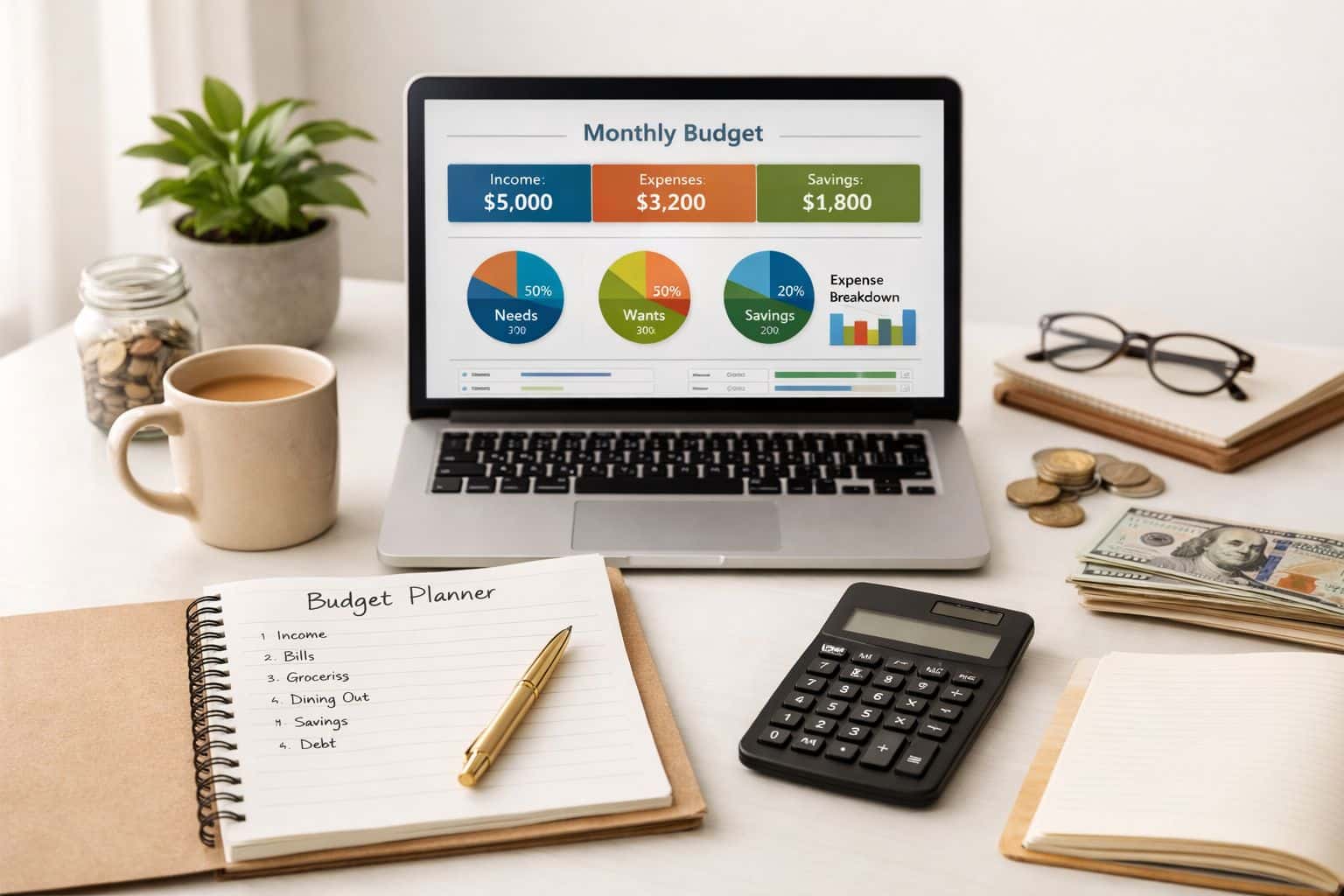
Learning how to budget and save money is not about punishing yourself, eliminating every small pleasure, or trying to be perfect every month. It is about creating a clear plan for your money so it supports your real life, your goals, and your future.
Many people are not struggling because they are lazy or bad with money. They are struggling because they do not have a repeatable system. Money comes in, bills get paid, small purchases add up, and by the end of the month there is nothing left to save.
Get the Free Monthly Money Plan
Plan your income, expenses, savings, sinking funds and debt on one simple printable page.
This guide walks through the complete process step by step: understand where your money goes, build a workable budget, cut costs without making life miserable, create savings momentum, handle debt, begin investing when you are ready, and review the system every month.
If budgeting is the part you need to strengthen first, use the EDG Budgeting Guide. If you need faster savings ideas, use How to Save Money Fast.
The fastest way to improve your money is to understand your spending, build a simple budget, automate savings, prepare for irregular expenses, and connect your budget to clear goals. Budgeting gives your money direction. Saving gives your money margin. Together, they create stability, flexibility, and long-term growth.
- Why Budgeting and Saving Matter
- Step 1: Track Where Your Money Goes
- Step 2: Build a Simple Budget You Can Stick To
- Step 3: Cut Costs Without Feeling Deprived
- Step 4: Set Clear Savings Goals
- Step 5: Automate Your Money
- Step 6: Build an Emergency Fund
- Step 7: Handle Debt the Right Way
- Step 8: Start Investing After You Stabilize
- Step 9: Review Your Budget Every Month
- Best Tools and Next Steps
- Frequently Asked Questions
Why Budgeting and Saving Money Matters
Budgeting and saving are the foundation of almost every financial win. If you want to pay off debt, build an emergency fund, stop living paycheck to paycheck, or eventually invest for retirement, it starts here.
A budget gives every dollar a purpose before it disappears. Saving creates breathing room so every surprise does not become a crisis. Together, they reduce stress and make long-term progress possible.
Without budgeting and saving, even important goals become harder:
- Debt payoff takes longer because extra money leaks away.
- Unexpected expenses land on credit cards instead of cash.
- Retirement investing keeps getting pushed off until “later.”
- Money decisions feel emotional instead of intentional.
If you have ever thought, “I make money, so why does it still feel tight?” this is exactly where to start. And if your past budgets have not worked, read 12 Budgeting Mistakes That Keep You Broke so you can avoid the traps that quietly destroy progress.
Step 1: Track Where Your Money Goes

You cannot improve what you do not measure. Before trying to cut expenses or create the perfect plan, start by looking at reality. Track your spending for at least 30 days so you can see where your money is actually going.
Break your expenses into simple groups:
- Fixed expenses: rent or mortgage, insurance, utilities, subscriptions, phone bill
- Variable expenses: groceries, gas, dining out, household items, entertainment
- Irregular expenses: car repairs, holidays, annual fees, school costs, pet care
Most people find their biggest problem is not one massive expense. It is the combination of underestimating variable spending and forgetting irregular expenses. That is why tracking is so important.
If you want a simple place to start, use the free budget tracker or read How to Make a Budget for Beginners for a full walkthrough.
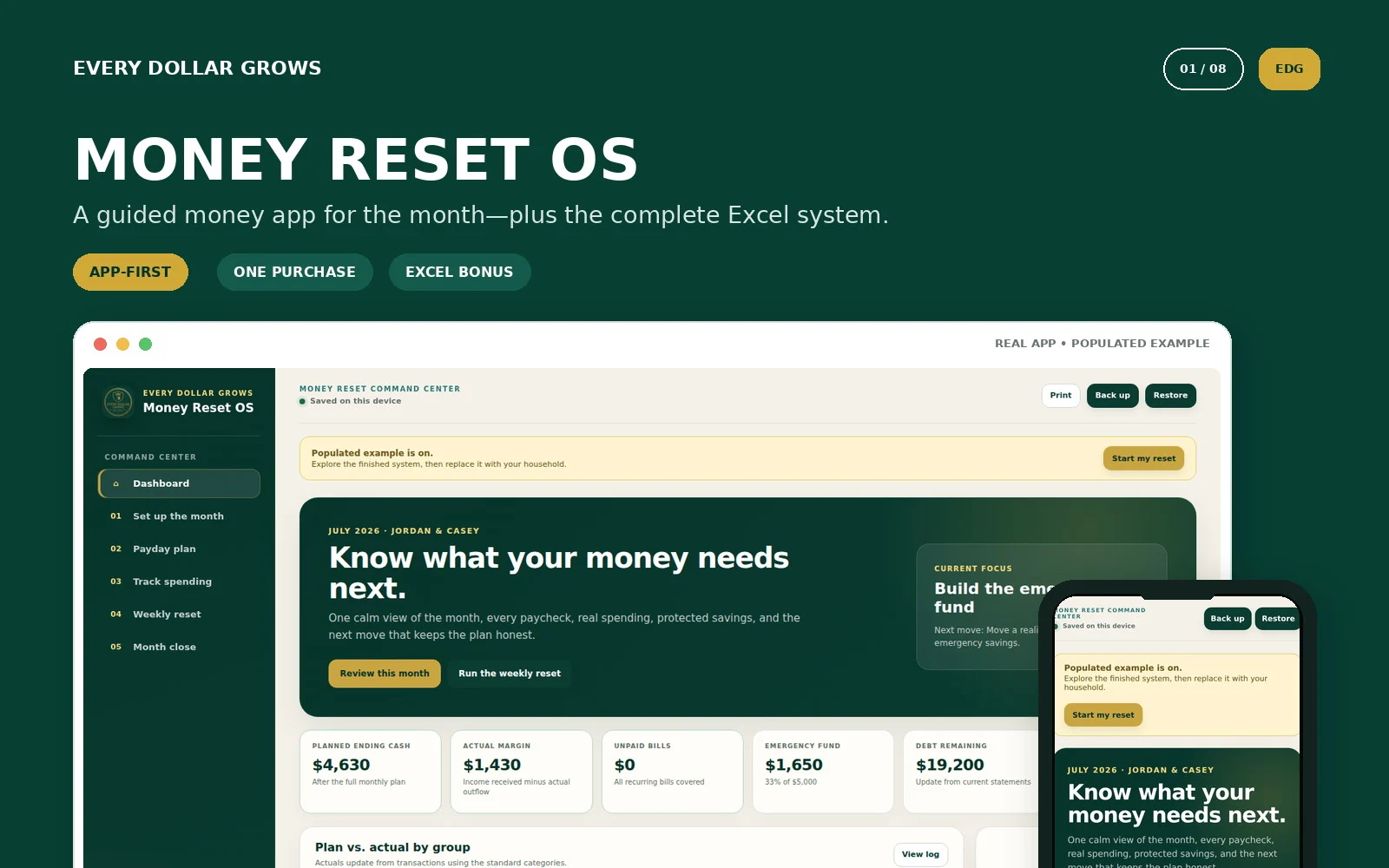
Start free with the EDG Budget Tracker. If you want a fuller household system for monthly planning, paychecks, bills, spending, savings, and debt, explore Money Reset OS.
Official budgeting tools from the Consumer Financial Protection Bureau spending tracker can also help you log spending and spot habits that are easy to miss.
Step 2: Build a Simple Budget You Can Stick To
A budget does not need to be complicated to work. In fact, overly detailed budgets often fail because they are too hard to maintain. The best budget is the one you will actually use consistently.
Start with a simple structure:
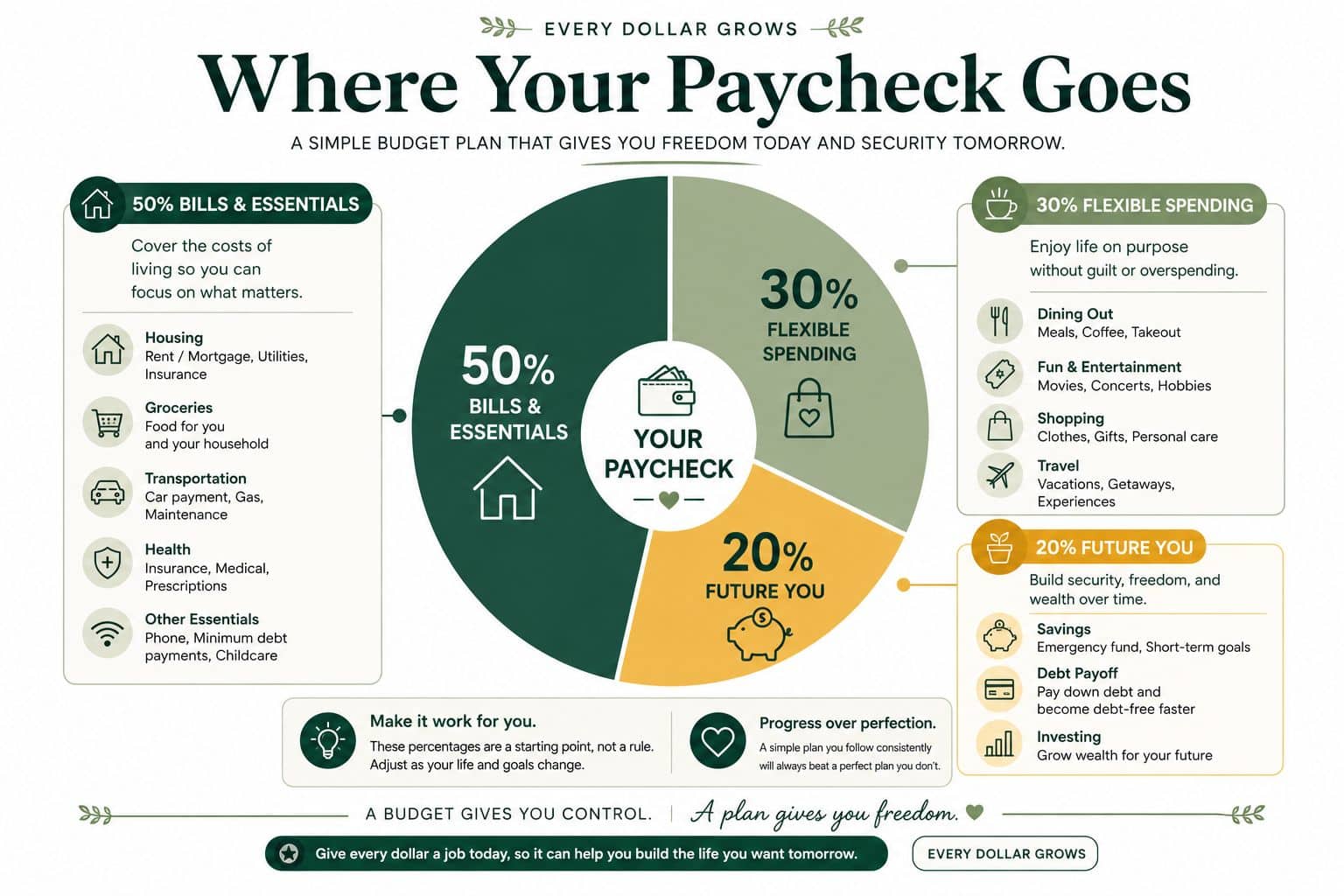
- Needs: housing, utilities, groceries, transportation, insurance, minimum debt payments
- Goals: savings, debt payoff, emergency fund, investing
- Flexible spending: eating out, hobbies, fun money, shopping, entertainment
- Irregular expenses: sinking funds for predictable but non-monthly costs
If you want a basic beginner framework, the 50/30/20 rule can be a helpful starting point. It is not magic, and it does not fit every income level, but it gives you a simple way to think about needs, wants, and savings.
Some people do better with a zero-based budget, where every dollar is assigned a job. Others prefer a pay-yourself-first model, where savings happens before flexible spending. If your bills need to line up with individual paychecks, a paycheck budget may fit better. The point is not choosing the “best” system on paper. It is choosing one you can repeat month after month.
For a deeper breakdown of budget setup, categories, and beginner-friendly examples, see How to Make a Budget for Beginners and Digital Budgeting Tools.
Quick Monthly Budget Planner
Use this simple budgeting tool to estimate your monthly spending. Enter your numbers below to see how your income compares to your expenses.
| Expense | Monthly Amount |
|---|---|
| Housing | |
| Utilities | |
| Groceries | |
| Transportation | |
| Debt Payments | |
| Savings | |
| Entertainment | |
| Other Expenses |
Want a full budgeting system?
This calculator gives you a quick monthly snapshot. If you need to diagnose where your spending is going, use the Budget Review System. If you want one ongoing system for bills, paychecks, spending, savings, and debt, use Money Reset OS.
- Use the calculator above for a quick budget check.
- Use the Budget Review System when you need to find the pressure point.
- Use Money Reset OS when you want the full household money workflow.
Step 3: Cut Costs Without Feeling Deprived
Saving money works better when it does not feel like punishment. If your plan depends on cutting everything enjoyable out of your life, you probably will not stick with it for long.
Instead of extreme restriction, focus on intentional spending. Keep what genuinely matters to you and reduce what does not.
Examples:
- Cut two or three convenience purchases a week instead of eliminating all fun spending.
- Cook at home more often without banning restaurants completely.
- Review subscriptions and cancel the ones you forgot you even had.
- Switch some grocery items to store brands and keep buying the few things you really care about.
- Reduce impulse shopping by waiting 24 hours before non-essential purchases.
If you want a full guide built around this approach, read Save Money Without Feeling Deprived. If groceries are the category that repeatedly runs over, the Grocery Envelope™ app gives you a category balance to shop from instead of guessing from your checking-account balance.
Small savings matter. The FDIC highlights that even small, steady contributions can build meaningful savings over time, especially when you make progress consistently instead of waiting for the “perfect” month. Starting small can lead to big savings.
Step 4: Set Clear Savings Goals
A budget without a goal feels restrictive. A budget with a goal feels purposeful.
When you know what your money is building, it becomes much easier to stick to the plan. Saving “just because” is weak motivation. Saving for specific goals creates momentum.
Break your goals into time frames:
- Short-term: build a starter emergency fund, catch up on a bill, save for a car repair fund
- Mid-term: pay off debt, save for a family trip, replace an older vehicle, build sinking funds
- Long-term: retirement investing, financial independence, homeownership, college savings
One of the best first goals is building your first real savings cushion. If you need a practical target, start with how to save $500 this month or jump into How to Build a $1,000 Emergency Fund.
Want a step-by-step savings jumpstart? The Save $500 Starter Kit helps you reduce spending, organize priorities, and create your first meaningful savings buffer with a simple system you can actually follow.
Step 5: Automate Your Money
Automation is one of the easiest ways to make progress without relying on willpower. When savings, bills, and investing happen automatically, you remove a huge amount of decision fatigue.
Start with these automations:
- Automatic transfer to savings right after payday
- Automatic bill pay for fixed monthly expenses
- Automatic debt payments above the minimum when possible
- Automatic retirement contributions through a 401(k) or IRA
This matters because many money problems are not knowledge problems. They are system problems. People know they should save. They just do not consistently do it unless the system makes it easier.
Investor.gov specifically recommends automating contributions as a way to keep building wealth consistently over time. Build wealth over time through saving and investing.
If automation has been difficult for you in the past, read Money Mindset That Builds Wealth and Budgeting Mistakes That Keep You Broke. Both help connect the practical system side with the behavioral side.
Step 6: Build an Emergency Fund
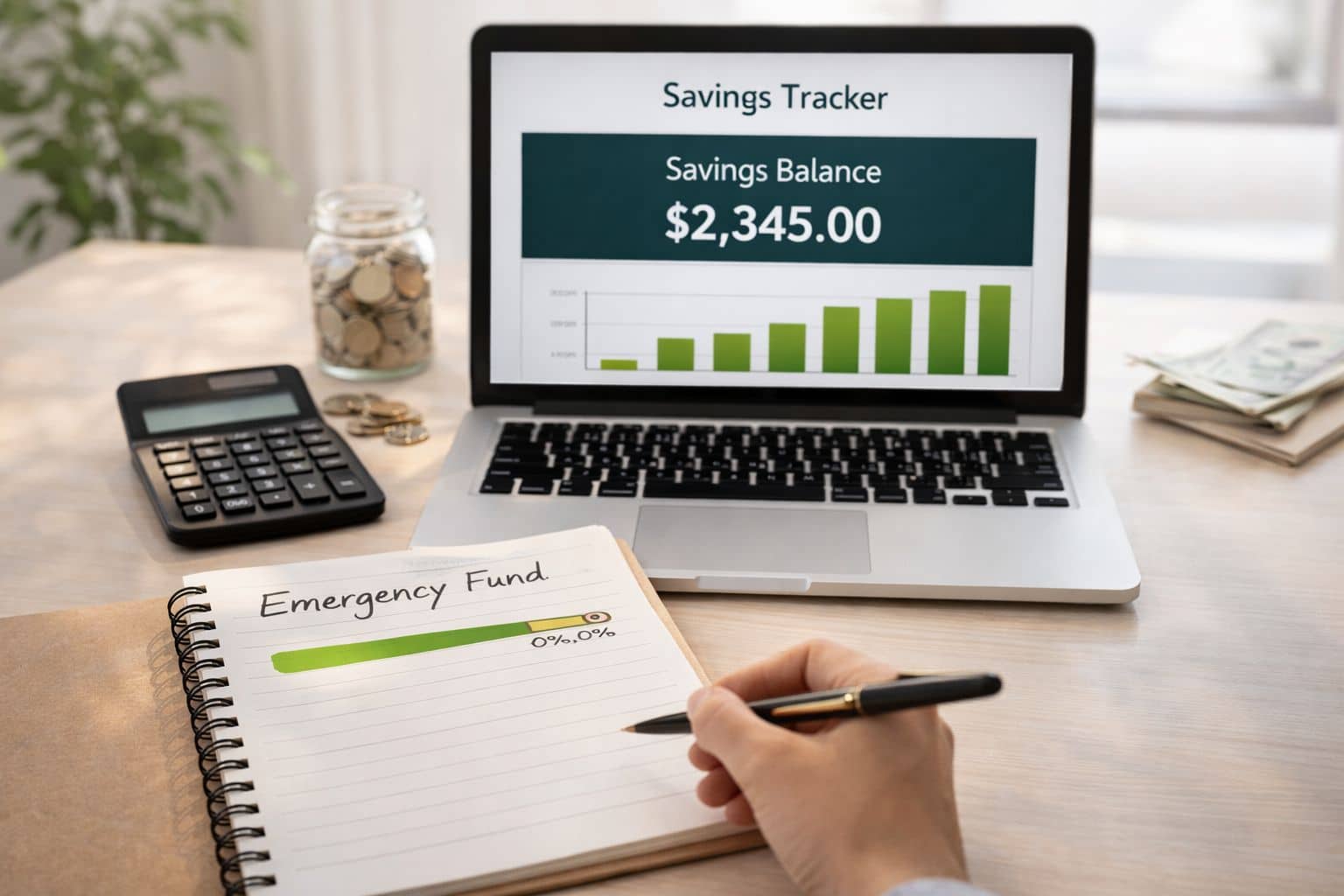
Your emergency fund is what keeps normal life problems from becoming financial disasters. Car repairs, medical costs, job interruptions, home issues, and surprise bills are all much easier to handle when cash is already waiting.
Start small if you need to. Your first goal does not need to be six months of expenses. A starter emergency fund of $500 to $1,000 can already create a huge amount of stability.
Once that first buffer is in place, keep going until you eventually build a larger emergency fund that covers several months of core expenses.
FDIC guidance recommends keeping emergency savings in federally insured deposit products such as savings accounts or CDs, depending on your needs for access and flexibility. Saving for the unexpected and your future.
For a practical breakdown of where to keep this money, read High-Yield Savings Accounts Explained.
Step 7: Handle Debt the Right Way
It is much harder to build savings and invest consistently when high-interest debt keeps eating your progress. Debt does not always need to be solved before every other goal, but it must be handled intentionally.
Two common approaches are:
- Debt snowball: pay off the smallest balance first for momentum
- Debt avalanche: pay off the highest interest rate first for maximum efficiency
The best method is the one you will stick with. If motivation keeps you going, snowball may help. If math motivates you, avalanche may be better.
What matters most is stopping the cycle of minimum payments and drifting balances. If debt is a major pressure point, read Debt Payoff Plan That Works for a more focused strategy.
Also remember: using savings goals and debt goals together often works better than choosing one extreme or the other. A small emergency buffer can prevent new debt while you work on old debt.
Step 8: Start Investing After You Stabilize

Saving protects your present. Investing builds your future.
Once you have a workable budget, a small emergency cushion, and a plan for high-interest debt, investing becomes the next step in growing wealth. You do not need huge amounts of money to begin. Starting early and staying consistent matters more than starting big.
Common beginner options include:
- 401(k) or similar workplace retirement plans
- Traditional IRA or Roth IRA
- Broad index funds and ETFs
Investor.gov recommends understanding fees, risk tolerance, and diversification before investing, especially if you are new. Introduction to Investing and Asset Allocation and Diversification are strong beginner resources.
If you want beginner-friendly investing help from your own site structure, start with Index Funds vs Stocks for Beginners, How to Choose ETFs and Mutual Funds, and Digital Investing Tools.
And if you want a done-for-you framework, the Beginner Portfolio Builder can help you think through portfolio structure across Vanguard, Fidelity, and Schwab.
Step 9: Review Your Budget Every Month
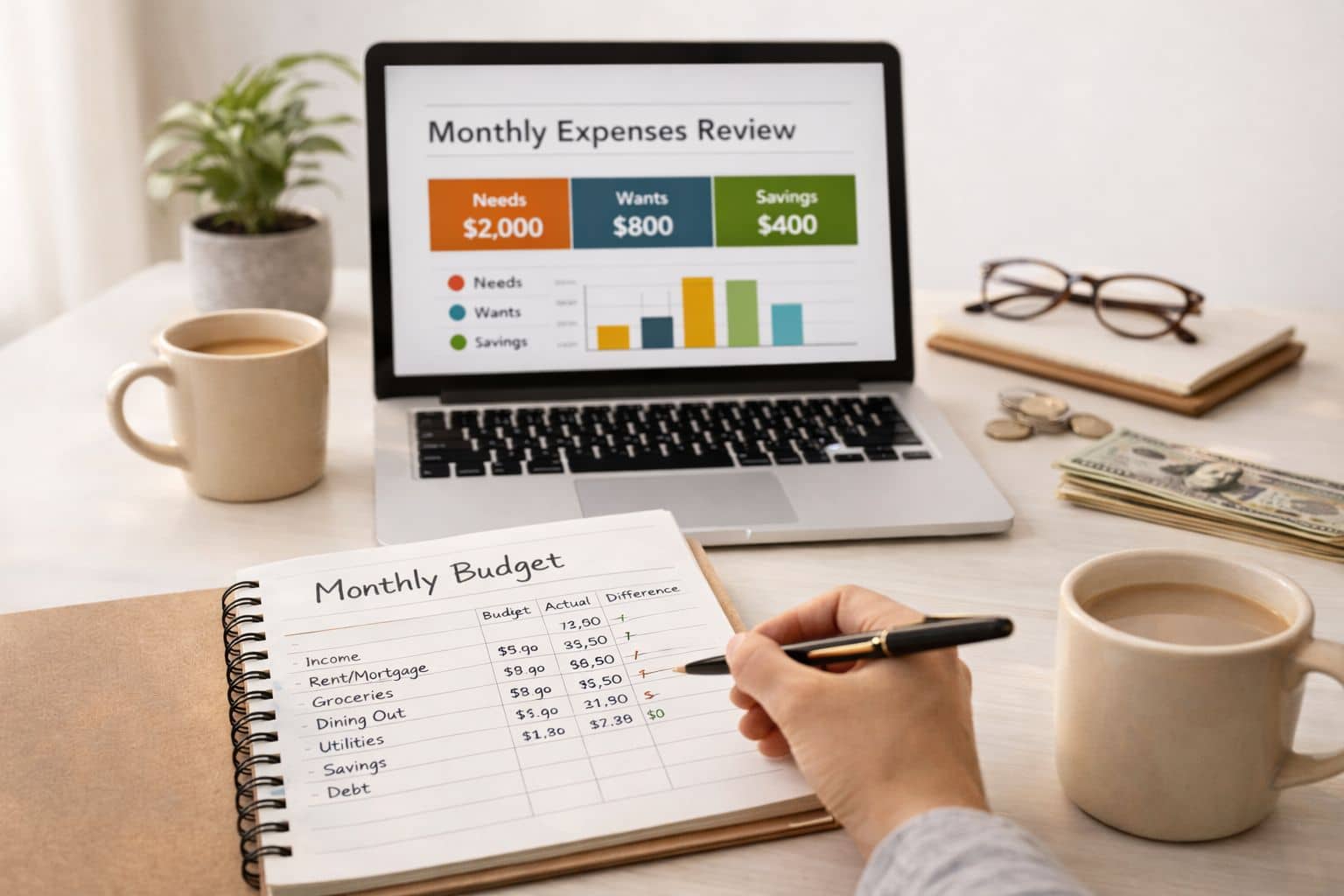
A budget is not something you set once and never touch again. Real life changes. Expenses change. Priorities change. A good budget evolves with you.
At the end of each month, ask:
- Where did I overspend?
- Which categories were unrealistic?
- What irregular expense is coming next month?
- Did I save what I planned to save?
- What one improvement would make next month smoother?
This is how budgeting becomes a living tool instead of a static document. Perfection is not the goal. Progress is. A few small improvements every month can completely change your finances over time.
If your spending still feels leaky, revisit 12 Budgeting Mistakes That Keep You Broke and Save Money Without Feeling Deprived. Those two posts pair extremely well with this guide.
Review Your Budget Like a Pro
Creating a budget is only half the battle. The real progress comes from reviewing your spending and finding the categories that are putting the most pressure on your finances.
The Every Dollar Grows Budget Review System is built for the moment when you already have a budget but still cannot tell why the month feels tight. Review one month of real spending, identify the category creating the most pressure, and leave with one clear priority for the next budget.
- ✔ Review one complete month of real spending
- ✔ Separate normal spending from problem categories
- ✔ Identify the biggest budget leak or structural pressure point
- ✔ Choose one clear priority instead of changing everything at once
- ✔ Build an action plan for the next month
Use it when your budget exists — but the numbers still do not make sense.
Explore the Budget Review SystemBest Tools and Next Steps
You do not need to fix everything at once. Start with the one or two actions that will give you the biggest immediate improvement.
A simple next-step roadmap looks like this:
- Track your spending for 30 days.
- Build a simple budget with realistic categories.
- Cut a few low-value expenses.
- Automate a small transfer to savings.
- Build your first $500 to $1,000 emergency cushion.
- Keep improving the system each month.
Helpful Every Dollar Grows Resources
- Budgeting Guide: Find the Right Next Step
- How to Make a Budget for Beginners
- Free Budget Tracker
- Paycheck Budget
- 12 Budgeting Mistakes That Keep You Broke
- How to Save Money Fast
- Save $500 Starter Kit
- How to Build a $1,000 Emergency Fund
- Debt Payoff Plan That Works
- Budget Review System
- Money Reset OS
Choose the Tool That Matches the Problem
Start free if you only need a budget. Review your spending if you cannot find the problem. Move to a full system when you want the pieces working together.
Free Budget Tracker Budget Review System Money Reset OSFrequently Asked Questions
What is the best way to start budgeting?
The best way to start budgeting is to track your spending first, then build a simple plan using realistic categories. Most people fail because they guess instead of using real numbers.
How much should I save each month?
The right amount depends on your income, expenses, and goals. Start with something consistent, even if it is small. A smaller amount saved every month is better than waiting for a perfect month that never comes.
Should I save money or pay off debt first?
In many cases, the best answer is both. Build a small emergency fund first so surprises do not go on a credit card, then aggressively work on high-interest debt while continuing some level of saving.
Where should I keep my emergency fund?
Most people keep it in a savings account that is separate from everyday checking but still easy to access. A high-yield savings account is often a strong option for this goal.
When should I start investing?
Start investing after you have a workable budget, some emergency savings, and a plan for high-interest debt. Even small, steady contributions can matter a lot over time.
What is the best way to start budgeting and saving money?
The best way to start budgeting and saving money is to first understand where your money is currently going. Track your spending for one full month, categorize your expenses, and then build a simple budget that reflects your real habits. From there, start saving a small, consistent amount every month and automate transfers whenever possible. Budgeting and saving money becomes easier once you build a repeatable system and review your progress each month.
Budgeting and saving money are not about being perfect. They are about becoming intentional. When you tell your money where to go, reduce the leaks, and build consistent habits, your finances start to feel lighter, calmer, and more stable.
You do not need a dramatic financial reset overnight. You need a system you can repeat. One better month leads to another. One saved dollar becomes the start of margin. One small habit becomes long-term stability.
That is how budgeting gets easier. That is how saving becomes normal. And that is exactly how every dollar grows.
This article may contain affiliate links. As an Amazon Associate, Every Dollar Grows earns from qualifying purchases at no additional cost to you.