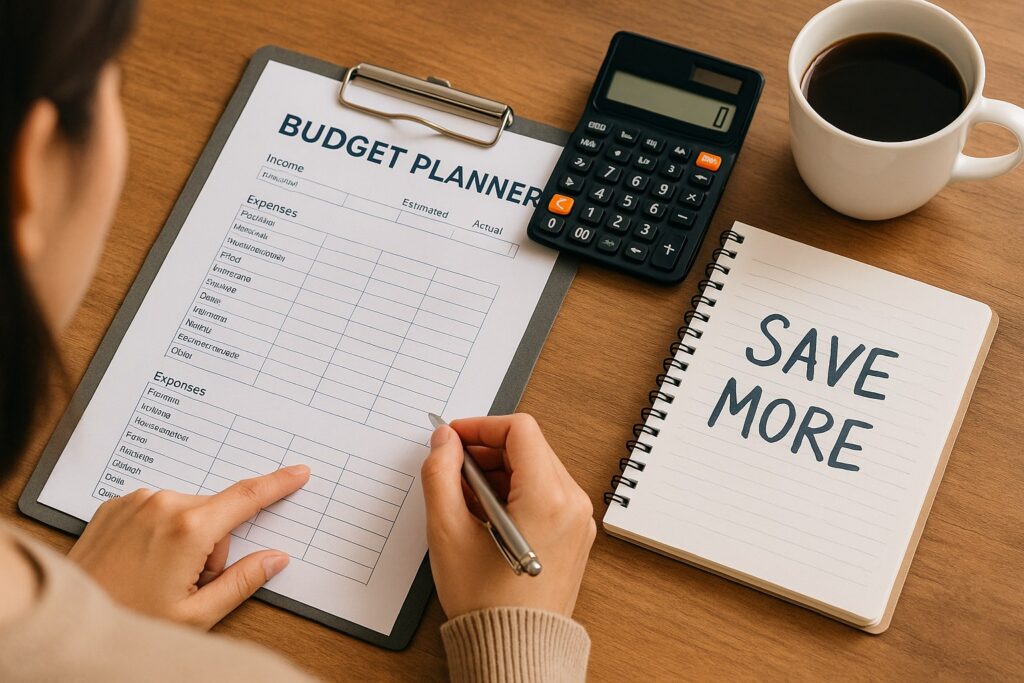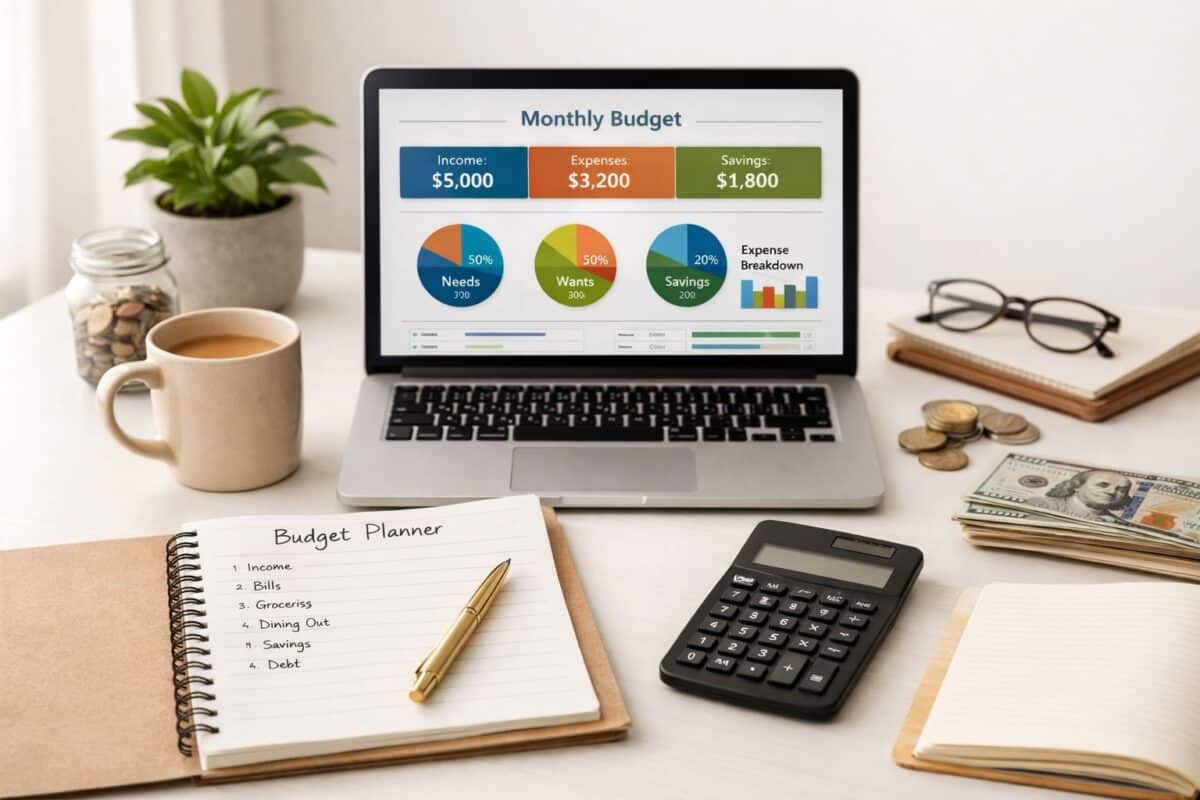
How to Make a Budget for Beginners: 8 Easy Steps to Finally Feel in Control
Build your first monthly budget step by step, choose a method that fits real life, and know exactly what to do when the numbers do not work.
What You’ll Do in This Guide
Learning how to make a budget for beginners is less about perfection and more about building a repeatable system. By the end of this guide, you will know how to:
- Gather your income and spending information so nothing important is hidden.
- Turn that information into a realistic monthly plan.
- Choose a budgeting method that fits the way you actually get paid and spend.
- Use a simple calculator to see whether your first budget balances.
- Track spending weekly and adjust the plan without starting over.
- Connect your budget to savings, debt payoff, and larger financial goals.
Need help with a specific problem? Use the EDG Budgeting Guide to find the right article, calculator, or tool after you build the basics here.
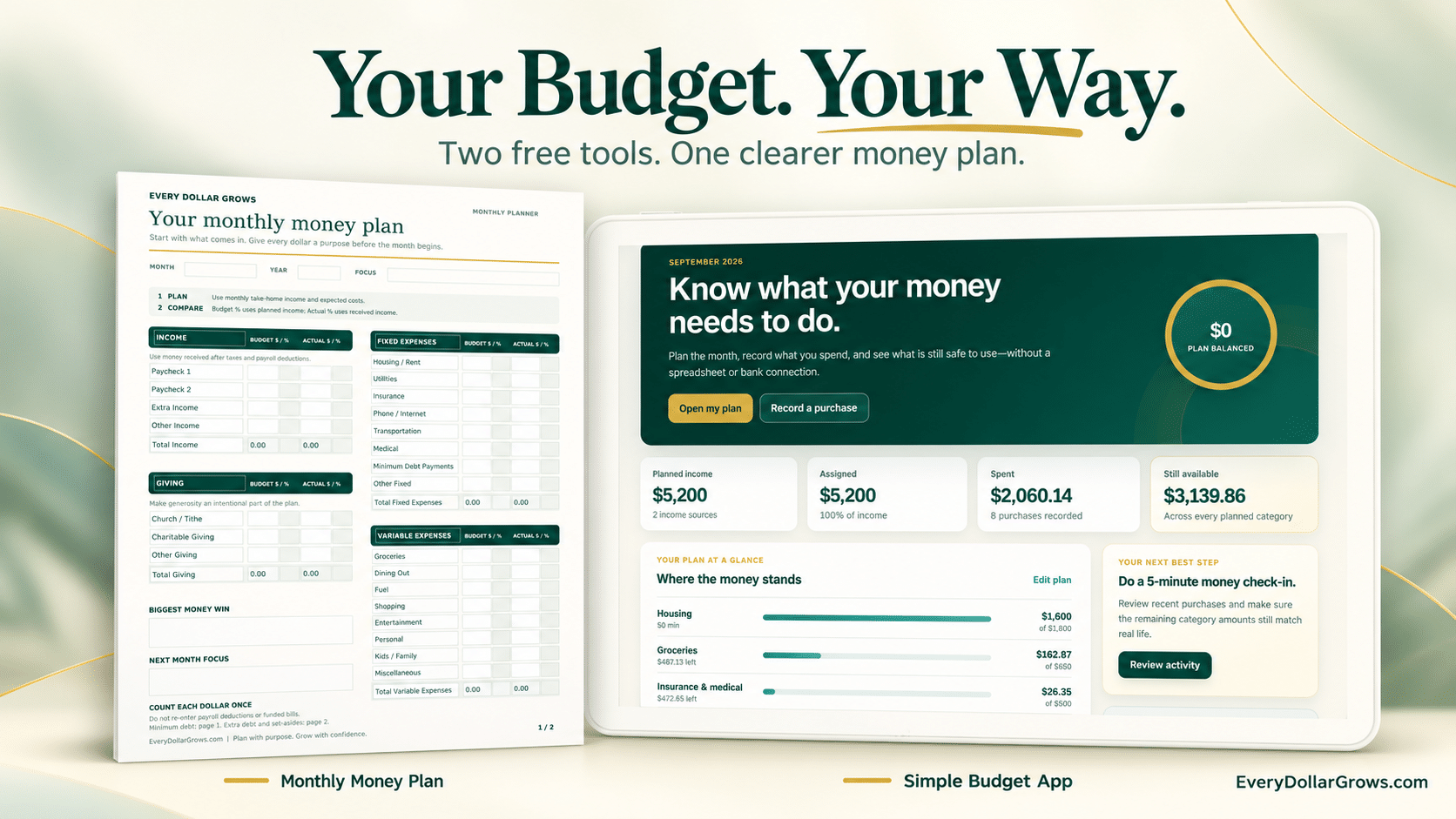
Get the Free Monthly Money Plan
Plan your income, expenses, savings, sinking funds and debt on one simple printable page.
Want more structure? Start with the free Monthly Money Plan Smart PDF or Simple Budget App . If you need to diagnose why the month still feels tight, use the Budget Review System. When you want budgeting, real spending, savings, debt, investments, assets, and net worth working together, move up to Money Reset OS.
Table of Contents
- How to Make a Budget for Beginners Without Overcomplicating It
- Step 1 – Gather Your Financial Information
- Step 2 – Calculate Your Total Monthly Income
- Step 3 – List All Monthly Expenses
- Step 4 – Categorize and Prioritize
- Step 5 – Choose a Budgeting Method
- Step 6 – Track Your Spending Weekly
- Step 7 – Adjust and Refine Monthly
- Step 8 – Set Motivating Financial Goals
- Common Beginner Budgeting Mistakes
- Next Steps and Helpful Resources
- Budgeting FAQs
How to Make a Budget for Beginners Without Overcomplicating It
If you’ve ever thought, “I make decent money, so why am I still stressed about bills?” you are exactly who this guide is for. Most people never learn how to make a budget for beginners in school, and money can feel confusing, emotional, or even embarrassing.
A budget is simply a written plan for your money. It tells every dollar where to go before the month begins. When you learn to build that plan in a clear, step-by-step way, you gain confidence, reduce stress, and start seeing progress toward the things that matter most.
Throughout this guide, we’ll use examples, pro tips, and links to deeper resources from Every Dollar Grows so you can keep learning as you go.
Step 1 – Gather Your Financial Information
The first step in how to make a budget for beginners is simply getting everything in one place. You can’t build a realistic plan if half your spending is hiding in old statements or forgotten subscriptions.
Gather the following for at least the last 1–3 months (3 is ideal):
- Bank statements for all checking and savings accounts.
- Credit card statements, including store cards.
- Pay stubs or income reports from your job and side gigs.
- Utility bills (electric, gas, water, internet, phone).
- Subscription lists (streaming, apps, cloud storage, memberships).
Your goal in this step is not to judge yourself. It’s just data. Knowing the truth about where your money is going is the foundation of every good budget.
Step 2 – Calculate Your Total Monthly Income
Next, you’ll figure out how much money actually comes in each month. This is where many beginners underestimate or overestimate their income, which makes the entire budget feel off.
List all income sources:
- Take-home pay from your main job (after taxes and benefits).
- Side hustles or gig work (DoorDash, tutoring, freelance, etc.).
- Child support or alimony received.
- Rental income or other passive income.
If your income fluctuates, build your first monthly budget around a conservative number. You can base your plan on your lowest month from the last six months, or on your average but round down slightly.
Step 3 – List All Monthly Expenses

Now that you know your income, it’s time to see where it’s going. This step is crucial in beginner budgeting because you’ll almost always discover patterns and leaks you weren’t aware of.
Start with a simple two-column list: fixed expenses and variable expenses.
- Fixed expenses: mortgage or rent, car payment, insurance, minimum debt payments, childcare, subscriptions that are the same each month.
- Variable expenses: groceries, gas, eating out, personal spending, entertainment, gifts, miscellaneous.
Use a highlighter or different color for spending that doesn’t line up with your priorities. For example, if you say you care about getting out of debt but see hundreds of dollars in takeout, that’s a clue where your first changes can happen.
The 2-page Monthly Money Plan Smart PDF gives you dedicated space for income, giving, fixed and variable expenses, savings, sinking funds, investing, and debt payoff, then lets you compare Budget vs. Actual and check whether the plan balances. If you prefer ongoing digital tracking, the same page also includes the free Simple Budget App.
Step 4 – Categorize and Prioritize
Once everything is listed, organize the money into a few clear planning buckets. This is where your monthly budget starts feeling like a real plan instead of a math assignment.
- Giving: church, charities, or other generosity if giving is part of your household plan.
- Needs: housing, utilities, basic groceries, transportation, insurance, medical costs, and minimum debt payments.
- Wants: dining out, streaming services, hobbies, extra shopping, vacations, and other flexible spending.
- Future goals: emergency savings, investing, sinking funds, and extra debt payoff.
Go through each expense from Step 3 and assign it to the bucket that best describes its job. This makes it easier to see what is required, what is flexible, and what is deliberately building the future.
If your “Needs” category is extremely high, you may want to explore long-term changes like refinancing, downsizing, or re-shopping insurance. Articles like Ultimate Guide to Budgeting and Saving Money can help you brainstorm ideas.
Worked Example: A $4,500 Monthly Take-Home Budget
This is not a recommended budget for every household. It is simply an example showing how the pieces can fit together once every dollar has a job.
| Category | Monthly Amount |
|---|---|
| Housing | $1,350 |
| Utilities + phone/internet | $350 |
| Groceries | $650 |
| Transportation | $500 |
| Insurance + minimum debt payments | $500 |
| Savings / emergency fund | $400 |
| Sinking funds | $300 |
| Personal / fun / eating out | $250 |
| Giving / generosity | $200 |
Total: $4,500. The lesson is not to copy these exact numbers. The lesson is that the plan accounts for regular bills, flexible spending, giving if it matters to your household, future expenses, and financial goals before the month gets away from you.
The free Monthly Money Plan Smart PDF also shows suggested planning ranges for major categories and calculates Budget and Actual percentages. Treat those ranges as reference points, not pass/fail rules—income, household size, location, debt, and goals can change what a healthy budget looks like.
Step 5 – Choose a Budgeting Method
There is no single “right” way to budget. The best budgeting method is the one you’ll actually stick with. Here are three beginner-friendly options to help you choose a system that fits your lifestyle.
1. Zero-Based Budget
With a zero-based budget, every dollar gets a job. You assign all income to a category until your plan equals zero.
Income – Expenses – Savings = 0
This method is very hands-on and is great if you want maximum clarity and control.
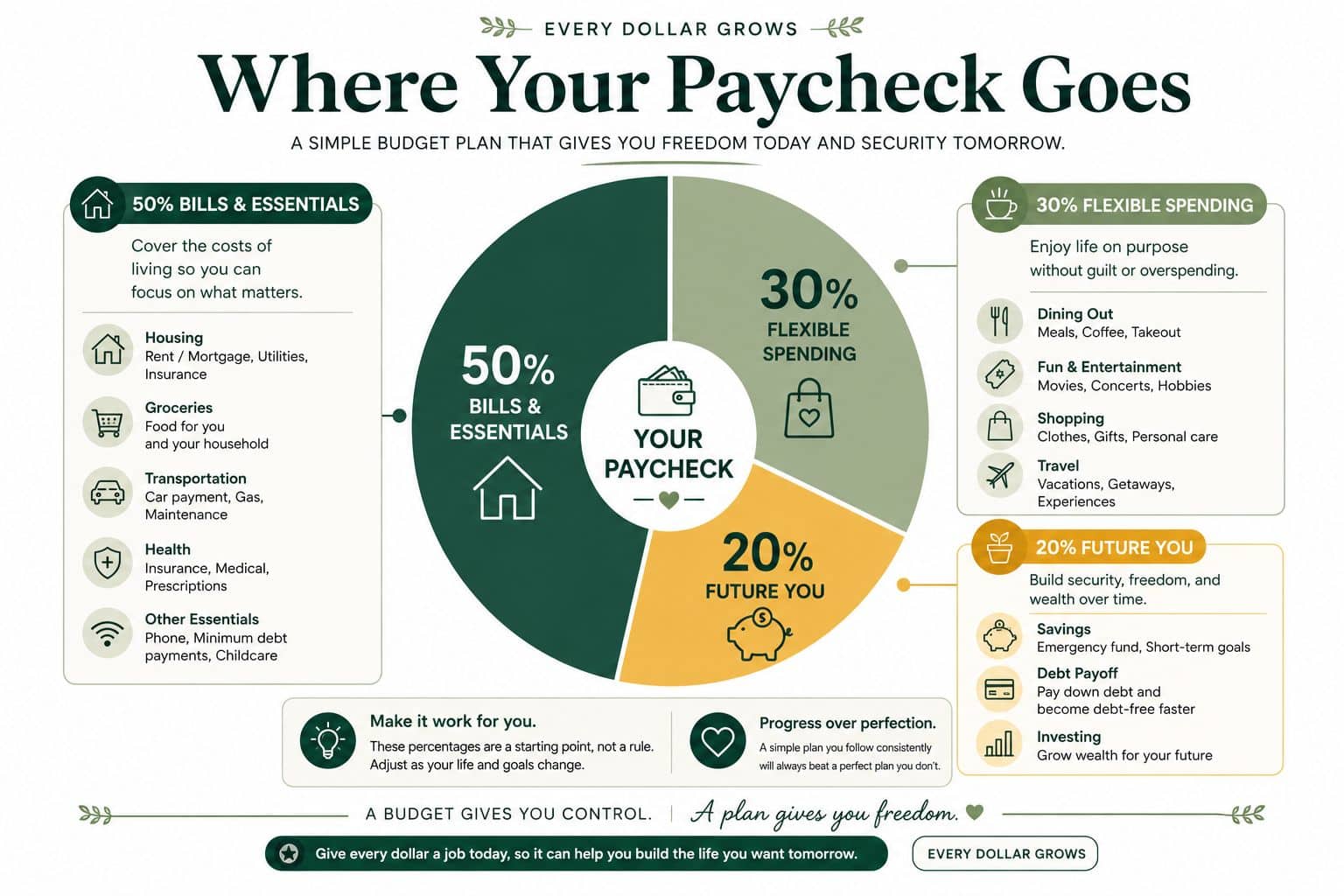
2. 50/30/20 Budget
This percentage-based method divides your after-tax income into:
- 50% for Needs
- 30% for Wants
- 20% for Savings & Debt Payoff
It’s flexible and easy to remember, which is why many people use it as a starting framework. Do not force your household into those percentages if housing, childcare, debt, income, or other realities make them unrealistic. Use percentage rules to spot areas worth reviewing, not as proof that your budget is good or bad.
3. Envelope or Cash-Category Budget
With this method you withdraw cash for categories that are easy to overspend (like groceries, eating out, or fun money) and keep that cash in labeled envelopes. When the envelope is empty, you’re done spending for the month.
You don’t need to use paper envelopes forever, but doing it for one or two months can be a powerful reset if swiping your card has become automatic. If groceries are the category that keeps getting away from you, the Grocery Envelope™ app is the EDG tool built specifically for keeping that category balance visible.
- Want maximum control? Start with zero-based budgeting.
- Want something simple? Try the 50/30/20 rule.
- Overspend in a few categories? Use an envelope or category-balance system.
- Your bills need to line up with individual paychecks? Use the paycheck budget method .
Quick Tool: Does Your First Budget Balance?
Enter your monthly take-home income, planned spending, and planned savings or extra debt payments. The goal is to give every available dollar a job without planning to spend more than you earn.
What the result means: A positive number means dollars are still unassigned. Zero means every dollar entered has a job. A negative number means the current plan exceeds the income entered.
Step 6 – Track Your Spending Weekly
Most budgets fail because people create them once and never look at them again. The real secret to a budget that actually works is a short weekly check-in.
Once a week, sit down for 10–15 minutes and:
- Update purchases in the free Simple Budget App , or update the Actual column in the Monthly Money Plan Smart PDF.
- Compare what you planned vs. what you actually spent.
- Move money between categories if something changed mid-month.
It’s much easier to fix a small drift after seven days than a giant mess at the end of the month.
Step 7 – Adjust and Refine Monthly
After your first month, your budget will probably look imperfect. That is completely normal. Beginner budgeting gets easier once you understand that your plan is a living document.
At the end of every month, ask:
- Where did I overspend and why?
- Which categories were too high or too low?
- Did any new expenses appear that need a permanent category?
- Can I move even $25–$50 more toward savings or debt?
Make small tweaks, not huge overhauls. If your grocery budget was off by $40, adjust it by $20 next month instead of cutting it in half and feeling deprived.
Small daily habits can add up faster than most people realize. For example, our Coffee Cost Comparison shows how a simple coffee habit can cost anywhere from less than $100 to several thousand dollars per year depending on your choices.
Over a few months, you’ll notice your numbers getting more accurate and your stress dropping. That’s when maintaining a monthly budget starts to feel like second nature.
If you are using the Monthly Money Plan Smart PDF , complete the Actual column and compare it with Budget. If you are using the Simple Budget App, review the category balances and purchases you entered during the month. Either way, the goal is the same: use what actually happened to make next month more accurate.
Already Have a Budget… But Still Wonder Where Your Money Goes?
Creating a budget is only the beginning. The real breakthrough comes when you review your spending and discover which category is putting the most pressure on your finances.
The Every Dollar Grows Budget Review System is the next step when you already have a budget but still cannot tell why the month feels tight. It walks you through one month of real spending, helps separate ordinary spending from the categories creating pressure, and turns the review into one clear action plan instead of another complete budget rebuild.
- ✔ Review one complete month of real spending
- ✔ Separate normal spending from the categories creating pressure
- ✔ Identify the biggest budget leak or structural problem
- ✔ Choose one clear priority instead of trying to fix everything at once
- ✔ Leave with an action plan you can use in your next budget
Use it when your budget exists — but your money still feels harder than it should.
Explore the Budget Review SystemStep 8 – Set Motivating Financial Goals
A budget without goals can feel like constant restriction. A budget with clear goals feels like a powerful tool. Once your basic budget is in place, ask yourself: what am I actually building?
Ideas for starter goals:
- Save a $1,000 starter emergency fund (use How to Build a $1,000 Emergency Fund , or start with the Save $500 Starter Kit if your first milestone is $500).
- Pay off one credit card within the next 6–12 months.
- Cash-flow upcoming expenses like holidays, car repairs, or back-to-school costs.
- Start investing a small amount monthly once your basic savings are in place (see Best Vanguard Mutual Funds and ETFs for next steps).
Write these goals at the top of your budget each month and celebrate every milestone along the way. Your budget is not punishment; it’s the roadmap to the life you want.
Common Beginner Budgeting Mistakes (and How to Fix Them)
Even when people understand the basics of beginner budgeting, a few common mistakes can still sabotage progress. The good news is that each one has a simple fix.
1. Guessing Instead of Using Real Numbers
Many new budgeters guess their grocery, gas, or fun money amounts. That’s like trying to build a house without measuring the lumber. Go back to your last 1–3 months of statements and use actual averages.
2. Forgetting Irregular Expenses
Expenses like car tags, annual memberships, or holiday gifts show up “out of nowhere” and blow up the budget. Create sinking funds—mini savings categories—for these in advance. The article 12 Budgeting Mistakes That Keep You Broke (and How to Fix Them) goes deeper on this.
3. Trying to Change Everything in One Month
When you build your first budget, it’s tempting to overhaul your whole life overnight. Instead, focus on 1–2 categories at a time (for example, dining out and subscriptions). Slow and steady changes are easier to maintain.
4. Ignoring Your Money Mindset
Numbers are only half the story. Your beliefs and emotions about money matter just as much. If you grew up thinking “I’m just bad with money,” you’ll subconsciously act that out. To upgrade your mindset, read The Money Mindset That Builds Real Wealth .
5. Never Reviewing Progress
If you only create a budget and never check in, you’ll feel like it “doesn’t work.” Schedule a recurring calendar reminder for your weekly money meeting so your budgeting habit sticks.
Next Steps: Grow Beyond the Basics
By now, you’ve walked through the full process of how to make a budget for beginners—from gathering information to choosing a method and planning your goals. Your next steps depend on where you are in your financial journey.
- If you’re still living paycheck to paycheck, work through the ideas in How to Save Money Fast to free up cash quickly.
- If you’re behind on bills, use the 7-step catch-up plan before trying to optimize everything else.
- If you’re focused on getting out of debt, use the Debt Payoff Plan That Works to turn the extra money in your budget into a structured payoff plan.
- If your budget exists but you still cannot tell where the problem is, use the Budget Review System to review one month of spending and identify the main pressure point.
- If you want budgeting, real spending, paychecks, savings, debt, investments, assets, and net worth in one guided household system, explore Money Reset OS .
- If you’re ready to start investing, explore beginner-friendly resources like Index Funds vs Stocks for Beginners and Fidelity Mutual Funds and ETFs .
When the Free Tools Are No Longer Enough: Money Reset OS
Money Reset OS is the next step when you want the major parts of household money working together instead of managing separate tools for each part.
- Build and run the monthly budget.
- Record real spending and keep budget activity current.
- Plan around paychecks, bills, savings, sinking funds, and debt.
- Track investments, assets, and net worth alongside the monthly plan.
- Use guided questions and a weekly reset to keep the system moving.
$29 one time · No subscription
See Money Reset OS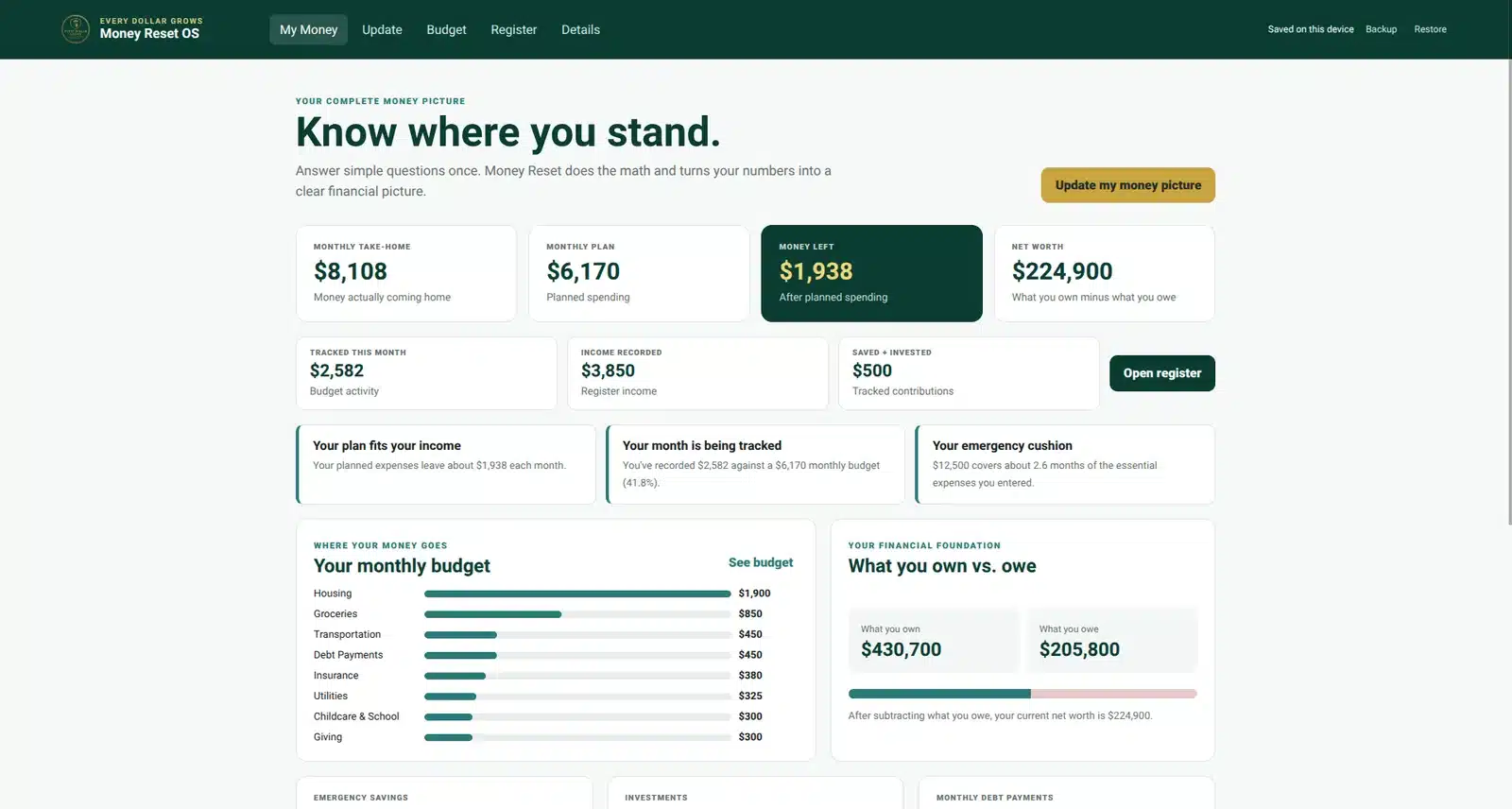
Choose the EDG tool that matches your next problem
- Need a free starting point? Monthly Money Plan Smart PDF + Simple Budget App
- Need your first savings win? Save $500 Starter Kit
- Need to diagnose where the money is going? Budget Review System
- Need a full household money system? Money Reset OS
- Want to compare all current tools? Digital Budgeting Tools
For general unbiased information on budgeting and protecting consumers, you can also visit the Consumer Financial Protection Bureau , a U.S. government resource with free articles and tools.
Ready to Build Your First Real Budget?
You’ve just learned how to make a budget for beginners. Now put the process into a tool you can actually use this month.
Open the free Monthly Money Plan Smart PDF for the complete 2-page plan, or use the free Simple Budget App to keep category balances current as the month happens. If you later want budgeting, spending, savings, debt, investments, assets, and net worth in one system, Money Reset OS is the next step.
Budgeting FAQs
How long does it take to get good at budgeting?
Most people need 60–90 days of consistent practice before budgeting feels comfortable. Your first month is about learning; the second month is about adjusting; the third month is where things start to click.
Should I budget with my spouse or partner?
Yes, if you share finances. Even if one person is the “numbers” person, both should have a say in the plan. Use the weekly check-in to stay on the same page and avoid surprises.
Is it better to use cash envelopes or a card?
There’s no one-size-fits-all answer. If you tend to overspend with cards, try cash envelopes for your most tempting categories for at least one month. Over time you can transition to digital tracking if you prefer.
What if my expenses are higher than my income?
This is common when people build a budget for the first time. Start by trimming wants (subscriptions, dining out, impulse shopping), then look for ways to temporarily boost income with overtime or side work. If bills are already past due, use the How to Catch Up on Bills plan to prioritize essentials first. Use the freed-up money to catch up, then begin building a small emergency buffer.
Do I have to budget forever?
You may always use some version of a budget, but it gets easier over time. Once your habits and systems are in place, maintaining a budget becomes a quick weekly and monthly check rather than a big project.
Disclaimer: This article is for educational purposes only and is not financial advice. This page may contain affiliate links. As an Amazon Associate, Every Dollar Grows may earn from qualifying purchases at no additional cost to you.