

Dave Ramsey Financial Advice: 7 Proven Lessons to Transform Your Money (Plus the Psychology Behind Why It Works)
Dave Ramsey financial advice is rooted in simple, proven money principles that help real people budget better, pay off debt, save confidently, and build long-term wealth. If you’re looking for a system that truly works, Ramsey’s books and Baby Steps offer a clear step-by-step plan used by millions to transform their finances. His practical approach has made him one of the most trusted names in personal finance, with millions of families and individuals turning their financial situations around by following his simple yet powerful principles.
In this deep-dive guide, we’ll break down seven essential lessons from Dave Ramsey’s books—including The Total Money Makeover, Financial Peace Revisited, The Complete Guide to Money, and more—so you can apply them to your own financial life starting today. These lessons are simple, but incredibly effective—and by the end, you’ll understand exactly how to budget, pay off debt, save wisely, invest confidently, and start building wealth.
The core of Dave Ramsey financial advice is understanding how your behavior around money impacts your financial outcomes. It’s not just about numbers; it’s about transforming the way you think and act toward money. Ramsey’s methods are designed to help you achieve financial peace through discipline, planning, and consistent action. But before we dive into the lessons, let’s first understand the psychology behind Ramsey’s methods and why they are so powerful.
Table of Contents
- Why Dave Ramsey’s Financial Advice Works: The Psychology of Financial Change
- 1. Create a Zero-Based Budget
- 2. Build a $1,000 Starter Emergency Fund
- 3. Pay Off Debt Using the Debt Snowball Method
- 4. Save 3–6 Months of Expenses
- 5. Invest 15% of Income for Retirement
- 6. Save for Kids’ College
- 7. Pay Off Your Home Early & Build Wealth
- Recommended Dave Ramsey Books
- FAQs About Dave Ramsey and Personal Finance
- Final Thoughts
Why Dave Ramsey’s Financial Advice Works: The Psychology of Financial Change
At its core, Dave Ramsey financial advice isn’t just about saving more or earning more—it’s about transforming your mindset toward money. Ramsey’s principles are effective because they focus on behavior change, which is crucial for financial success. Instead of simply telling you to save or invest, Ramsey dives deep into why we struggle with money and how we can change our habits for long-term success.
- Immediate Wins Boost Confidence: The Debt Snowball method is designed to create quick wins. Paying off smaller debts first builds momentum, which boosts confidence and keeps you on track.
- Clear, Tangible Goals: The Baby Steps provide a clear, actionable roadmap. You know exactly what to do and when to do it, which makes staying on track easier and more achievable.
- Consistent Action Leads to Results: Ramsey’s plan encourages disciplined, consistent actions, which compounds over time to create long-term success. Following the Baby Steps consistently leads to lasting financial peace.
1. Create a Zero-Based Budget
One of the most practical pieces of Dave Ramsey financial advice is the importance of creating a zero-based budget. Ramsey explains in The Complete Guide to Money that every dollar you earn should be assigned a job—whether that job is spending, saving, investing, or giving. This method helps eliminate any “mystery money” in your budget and ensures you know exactly where your money is going.
The zero-based budget forces you to prioritize your spending and be intentional with each dollar. This approach doesn’t leave room for overspending, and it gives you full control over your finances. Here’s how to implement the zero-based budget:
- Start with your monthly income.
- List all your expenses—essentials, debt payments, savings goals, and discretionary spending.
- Adjust until your total budget equals $0.
Ramsey also encourages the use of the envelope system for categories like groceries, dining, and entertainment. If you want a digital tool to track your budget, check out our Free Budget Tracker.
Real-World Example: Sarah and John, a couple in their early 30s, started using the zero-based budgeting method and saw immediate improvements. They were able to allocate more money to their savings and even start their debt snowball, all thanks to knowing exactly where their money was going each month.
2. Build a $1,000 Starter Emergency Fund
The second cornerstone of Dave Ramsey’s money principles is beginning with a $1,000 emergency fund. This fund acts as your financial buffer for those “life happens” moments. As explained in The Total Money Makeover, emergencies aren’t a matter of “if”—but “when.” Without savings, even small problems turn into high-interest debt.
- Car repair? Use your emergency fund.
- Appliance breaks? Use your emergency fund.
- Unexpected medical cost? Use your emergency fund.
This fund is a temporary safety net while you work to pay off debt. Once you’ve paid off your debt, you’ll be able to save for larger, long-term emergency needs. For a detailed explanation, check out our full guide: How to Build an Emergency Fund.
3. Pay Off Debt Using the Debt Snowball Method
One of the most famous parts of Dave Ramsey’s personal finance system is the Debt Snowball Method. Instead of paying off debt based on interest rates, Ramsey teaches you to list debts from smallest to largest and attack the smallest first. The psychology behind this is powerful: small wins create motivation, and motivation keeps you going. This momentum is what Ramsey argues makes the method more effective than chasing the mathematically lowest interest rate.
Here’s how the Debt Snowball works:
- List your debts from smallest balance to largest.
- Pay minimums on all debts except the smallest.
- Throw every extra dollar at that smallest debt.
- When it’s gone, roll that payment into the next debt.
For a deeper explanation, check out our full guide: Debt Snowball Method: How It Works.
This step is one of the biggest turning points for Ramsey followers because it’s where many people experience their first major win in taking control of their money.
4. Save 3–6 Months of Expenses
Once you’re debt-free (except for your mortgage), Ramsey recommends building a fully funded emergency fund of 3–6 months of expenses. This is Baby Step 3—your safety net against life-changing financial challenges. As explained in The Legacy Journey, this step creates true financial stability. Instead of living paycheck to paycheck, you gain the confidence of knowing you can weather a job loss, medical event, family emergency, or major home repair.
Most people underestimate how much stress disappears once this fund is in place. It’s the financial security that allows everything else—retirement investing, kids’ college, and wealth building—to happen much more smoothly. You can move on to bigger financial goals, knowing that life won’t knock you off course.
5. Invest 15% of Income for Retirement
Next, Ramsey teaches you to invest 15% of your gross household income for retirement—after your emergency fund and debt payoff are complete. This is where Dave Ramsey investing advice becomes essential. You should prioritize building wealth for the future while still living comfortably in the present.
Ramsey recommends using:
- Your 401(k), especially with employer match
- Roth IRAs (Ramsey strongly prefers Roth for tax-free growth)
- Simple, diversified mutual funds
Investing 15% ensures that you build long-term wealth without sacrificing your current needs. This step is heavily emphasized in both Retire Inspired and The Complete Guide to Money.
Want more investing resources? Visit the Investing Hub for tips on how to start building wealth.

6. Save for Kids’ College
Baby Step 5 focuses on helping your children avoid student loan debt. Ramsey recommends investing in:
- 529 college savings plans
- Coverdell ESAs
These accounts grow tax-advantaged and help reduce the borrower burden that traps many young adults. The idea is to provide your children with the resources they need to succeed, without the burden of massive student loan debt.
In Smart Money Smart Kids, Ramsey and his daughter Rachel Cruze explain how parents can teach kids good money habits while simultaneously saving for their education.
7. Pay Off Your Home Early & Build Wealth
The final major pillar of Dave Ramsey financial advice is paying off your home early. Ramsey argues that while mortgages are considered “normal,” they’re not necessary—and being completely debt-free changes the entire trajectory of your financial life. Imagine the peace of mind you would feel with no mortgage payment, no car payments, and no credit card debt. This financial freedom allows you to focus on wealth-building and leaving a legacy for your family.
Once your mortgage is gone, you have complete ownership of your home, drastically reduced monthly expenses, and the ability to build wealth far more quickly. Your monthly cash flow increases, and this frees up more resources to save, invest, and give.
Baby Step 7 is all about:
- Building wealth
- Increasing generosity
- Funding your future with confidence
This step aligns with Ramsey’s message in The Legacy Journey—you’ve secured your own financial foundation, and now you can focus on leaving a meaningful legacy.
Recommended Dave Ramsey Books
Here are the most impactful books from Dave Ramsey, each offering insights into budgeting, debt payoff, saving, and wealth building:
-
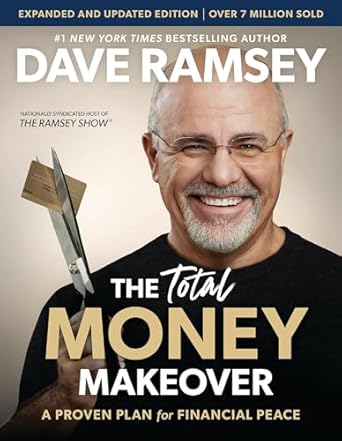 The Total Money Makeover – The foundation of the Baby Steps and how to get out of debt.
-
 Financial Peace Revisited – Ramsey’s personal financial journey and a roadmap to financial peace.
-
 The Complete Guide to Money – A detailed playbook on budgeting, saving, and investing for the long-term.
-
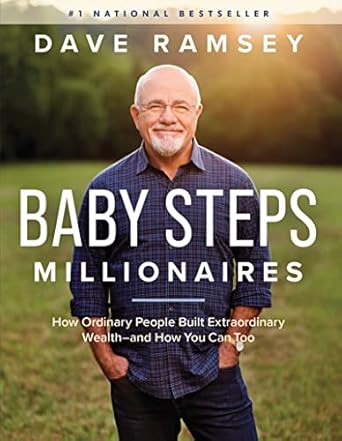 Baby Steps Millionaires – Real-life case studies proving ordinary people can reach millionaire status.
-
 Smart Money Smart Kids – Teaching children to be smart with money from an early age.
-
 Retire Inspired – A guide to retiring with dignity and building a secure future.
Affiliate Disclosure: As an Amazon Associate, I earn from qualifying purchases. This does not affect your purchase price, and I only recommend resources that provide real value to my readers.
Frequently Asked Questions About Dave Ramsey’s Financial Advice
What is the best Dave Ramsey book to start with?
The best place to begin is The Total Money Makeover, which explains the Baby Steps clearly.
Is Dave Ramsey’s advice still relevant in 2025?
Absolutely. His principles around budgeting, paying off debt, saving wisely, and investing consistently are timeless. The strategies in his books continue to work for families and individuals who want to take control of their financial futures.
Do the Baby Steps really work?
Yes—millions of people have used Ramsey’s steps to pay off debt, build wealth, and gain financial stability. Real-world examples prove that following these steps leads to financial freedom.
Can I follow Ramsey’s plan if I use credit cards responsibly?
Ramsey recommends avoiding credit cards entirely to eliminate the risk of falling into debt. His philosophy is that if you don’t borrow, you won’t owe.
What are the Baby Steps in Dave Ramsey’s system?
The Baby Steps are a series of seven steps created by Dave Ramsey to help individuals pay off debt, save money, and build wealth over time. They include things like building an emergency fund, paying off debt, saving for retirement, and giving generously.
Final Thoughts
Dave Ramsey financial advice provides a clear, structured path to take control of your money—no matter where you’re starting. From creating your first zero-based budget to building wealth and leaving a legacy, Ramsey’s teachings offer guidance that produces real, lasting results.
If you want to transform your finances this year, start with the basics: budget intentionally, pay off debt aggressively, build strong savings, invest consistently, and follow Ramsey’s proven steps. Your future self will thank you.


