

Why Fidelity Mutual Funds and ETFs stand out for investors
Fidelity Mutual Funds and ETFs have become top choices for long-term investors looking for low-cost, diversified portfolio options. Fidelity Investments is one of the most respected names in the financial world. Founded in 1946, it built its reputation on innovation, low-cost investing, and world-class research tools. Today, Fidelity manages over $4 trillion in assets and serves millions of investors worldwide.
What makes Fidelity unique is its balance between active management and low-cost index investing. While Vanguard is best known for its passive index funds, Fidelity offers both — giving investors flexibility to combine growth, diversification, and simplicity. You can explore Fidelity’s full fund lineup and tools directly on Fidelity.com.
For long-term investors, Fidelity’s lineup of zero-fee index funds (like FZROX and FNILX) and broad-market ETFs make it easy to build a diversified portfolio with minimal costs. The platform’s intuitive tools, automatic investing features, and retirement calculators make it beginner-friendly yet powerful enough for advanced investors.
How Fidelity’s zero-fee funds changed investing
In 2018, Fidelity made headlines when it became the first major investment firm to launch index funds with no expense ratio. The move disrupted the industry and forced competitors like Vanguard and Schwab to lower their fees even further.
These ZERO funds — including the Fidelity ZERO Total Market Index Fund (FZROX), Fidelity ZERO International Index Fund (FZILX), and Fidelity ZERO Large Cap Index Fund (FNILX) — charge no management fees and have no minimum investment requirement. This means every dollar you invest goes directly to work for you.
Fidelity accomplishes this by keeping fund management costs in-house and streamlining operations. While the ZERO funds don’t track a third-party index like the S&P 500, they follow very similar benchmarks, resulting in nearly identical performance over time.
For long-term investors, these funds are a simple and powerful way to start building wealth without losing a single cent to annual fees. Over decades, even a 0.10% difference in expenses can translate into thousands of extra dollars in growth.
Fidelity’s investing philosophy and approach
Fidelity’s core philosophy centers on empowering individual investors through education, technology, and access. While some firms rely solely on automation, Fidelity blends human insight with digital tools — giving investors both freedom and guidance.
The firm’s in-depth research reports, screeners, and model portfolios help investors make informed decisions. Fidelity also provides target-date funds for retirement investors who prefer a set-it-and-forget-it approach.
Unlike pure index-based companies, Fidelity maintains a large team of active fund managers who aim to outperform the market. This dual structure — active and passive — allows investors to build customized portfolios that balance growth and risk tolerance.
Whether you prefer hands-off index investing or strategic active management, Fidelity’s ecosystem supports both — often at a fraction of the cost of competitors.
Fidelity Mutual Funds vs ETFs: What’s the difference?
Both mutual funds and ETFs at Fidelity give you diversified exposure to stocks or bonds — but they operate differently:
| Feature | Mutual Funds | ETFs |
|---|---|---|
| Trading | Traded once daily after market close | Traded throughout the day like stocks |
| Minimum Investment | Often $0 to $2,500 | Price per share varies by market |
| Expense Ratios | Typically 0.015%–0.50% | Often even lower (0.00%–0.15%) |
| Automatic Investing | Yes | No (manual trades) |
Bottom line: ETFs are generally more tax-efficient and flexible, while mutual funds work better for consistent dollar-cost averaging through automatic deposits.
Best Fidelity Mutual Funds
Here are some of Fidelity’s most popular and trusted mutual funds for long-term investors:
- Fidelity® 500 Index Fund (FXAIX) — Tracks the S&P 500 with an expense ratio of just 0.015%. One of the lowest-cost ways to invest in America’s largest companies.
- Fidelity® ZERO Total Market Index Fund (FZROX) — Offers total U.S. market exposure with a 0.00% expense ratio. No minimum investment and no fees make it unbeatable for new investors.
- Fidelity® ZERO Large Cap Index Fund (FNILX) — Free exposure to large-cap U.S. stocks, making it a solid core holding.
- Fidelity® Total Bond Fund (FTBFX) — Diversifies into bonds, providing stability and income potential.
- Fidelity® International Index Fund (FSPSX) — Low-cost exposure to international developed markets for added diversification.
Most of these funds are ideal for tax-advantaged accounts such as IRAs or 401(k)s. For taxable accounts, investors often prefer ETFs due to their tax efficiency.

Best Fidelity ETFs
Fidelity’s ETF lineup has grown rapidly, combining innovation with ultra-low fees. Here are some standout options:
- Fidelity® MSCI Information Technology ETF (FTEC) — Tracks tech giants like Apple, Microsoft, and NVIDIA, with a 0.08% expense ratio.
- Fidelity® MSCI Financials ETF (FNCL) — Diversified exposure to U.S. banks, insurers, and financial service firms.
- Fidelity® MSCI Real Estate ETF (FREL) — Adds property exposure for income diversification.
- Fidelity® Total Bond ETF (FBND) — A strong core bond ETF with broad market exposure.
- Fidelity® High Dividend ETF (FDVV) — Focuses on dividend-paying U.S. stocks — a good option for income-oriented investors.
Fidelity ETFs are commission-free to trade on the Fidelity platform, making them efficient and cost-effective for building a diversified portfolio.

How to choose the best Fidelity retirement funds for your goals
Choosing between the best Fidelity mutual funds and ETFs depends on your goals and investing style:
- ✅ Hands-off investor? Choose index mutual funds like FZROX or FXAIX.
- ✅ Want flexibility? ETFs like FTEC or FDVV give more control and lower capital gains taxes.
- ✅ Need income or stability? Consider bond funds like FBND or FTBFX.
When choosing funds, it’s important to look beyond brand names and consider your own financial goals. Fidelity’s platform offers tools like the Fund Screener and Portfolio Analysis tool to help match investments to your personal situation.
If you’re investing for retirement, consider Fidelity’s Freedom Index Funds — a family of target-date funds that automatically adjust risk over time. For example, the Fidelity Freedom Index 2050 Fund (FIPFX) starts with more aggressive stock exposure and gradually transitions into bonds as the target date approaches.
Investors building taxable accounts might prioritize ETFs for their tax efficiency. Since ETFs trade on the open market, they generally produce fewer capital gains distributions compared to mutual funds.
Meanwhile, those contributing regularly — such as through paycheck investing — often prefer mutual funds, which allow automatic contributions in fixed amounts. There’s no need to buy full shares like with ETFs, making it easier to stay consistent.
Before investing, define your time horizon, risk tolerance, and diversification plan. You can also combine Fidelity funds with other platforms for even broader diversification.
How Fidelity and their Best Fidelity Mutual Funds and ETFs compare to Vanguard and Schwab
Fidelity vs Vanguard vs Schwab all excel in low-cost investing — but each has a niche:
- Fidelity: Best for research tools, zero-fee funds, and hybrid (active + passive) investors.
- Vanguard: Best for long-term index investors focused on simplicity.
- Schwab: Great for all-around investors wanting convenience and slightly broader ETF choices.
Fidelity shines for investors who want both automation and flexibility, especially when building diversified portfolios with no minimums or trading commissions.
Tax considerations and account types for Fidelity investors
Taxes play a major role in long-term investing success. Fidelity makes it simple to choose tax-efficient account types and investment structures that align with your goals.
Tax-advantaged accounts such as IRAs, Roth IRAs, and 401(k)s allow you to defer or eliminate taxes on growth, depending on your income and strategy. These are ideal for mutual funds like FXAIX or FZROX, which generate regular dividends.
Taxable brokerage accounts work best for ETFs because of their built-in efficiency. Fidelity ETFs use an in-kind redemption process, which reduces the likelihood of triggering capital gains when other investors sell their shares.
To optimize performance, Fidelity also offers automatic dividend reinvestment and goal-tracking dashboards — letting you see exactly how your portfolio compounds over time. Whether you’re saving for retirement, college, or financial independence, the key is to match the right account type with the right fund.
Final thoughts: Building wealth with the best Fidelity Mutual Funds and ETFs
Fidelity’s combination of low costs, zero-fee index options, and comprehensive research tools make it one of the best platforms for long-term investors. Whether you prefer the simplicity of index funds or the flexibility of ETFs, Fidelity offers solutions to fit nearly every investing style.
For beginners, starting with a few core index funds like FXAIX, FZROX, or FBND is an easy way to begin building a diversified portfolio. More experienced investors can layer in specialized ETFs or actively managed funds for targeted exposure.
Over time, the most important factor isn’t timing the market — it’s staying consistent. Fidelity’s automatic investing tools, robust retirement calculators, and low barriers to entry make it easier than ever to turn small, steady contributions into lasting wealth.
If you’re ready to take the next step, explore the additional Every Dollar Grows guides below for practical strategies and insights to grow every dollar with confidence.
Recommended investing books to complement the Best Fidelity Mutual Funds and ETFs
If you want to go deeper into mutual fund and ETF investing, these titles can help — all available on Amazon:
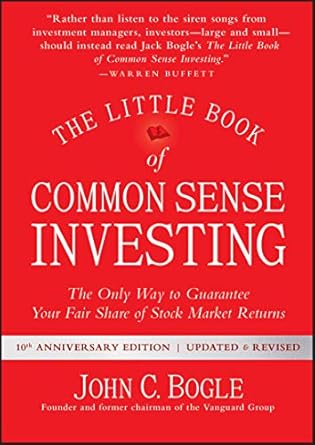
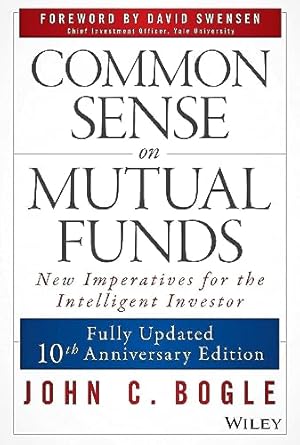
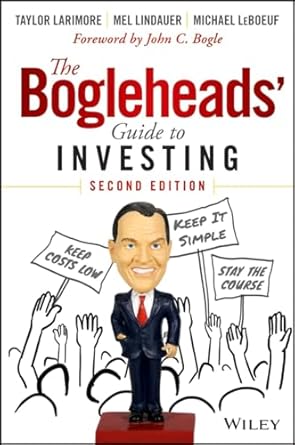
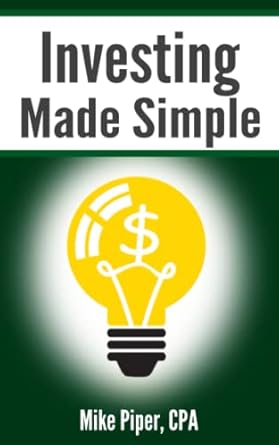
Affiliate disclosure: As an Amazon Associate, Every Dollar Grows earns from qualifying purchases. Thank you for supporting our mission to help readers grow every dollar wisely.You can explore the full recommended list in our Every Dollar Grows Library.
Keep growing your money with these next reads
If you enjoyed this guide on the best Fidelity mutual funds and ETFs, explore more Every Dollar Grows articles designed to help you invest smarter and build long-term wealth:
- Vanguard Mutual Funds and ETFs: Which Is Right for You?
- Index Funds vs. Stocks — Which Is Better for Beginners?
- Investing for Beginners: How to Start with Confidence
- How to Make a Budget in 8 Easy Steps (Even If You’ve Never Budgeted Before)
- Explore the Every Dollar Grows Finance Book Library
- Investor.gov
Each post offers practical steps, examples, and resources to help you grow every dollar wisely. Thank you for reading about the best Fidelity mutual funds and ETFs for long-term investing.


