
Saving and Frugality Books: 16 Best Picks for Spending Less
These saving and frugality books cover saving habits, overspending, no-spend resets, cutting everyday costs, minimalism, intentional consumption, and building a lifestyle that keeps more of what you earn.
Affiliate disclosure: As an Amazon Associate, Every Dollar Grows earns from qualifying purchases at no additional cost to you.
Saving and Frugality Books for Better Spending Habits
Start here if the problem is not knowing what to do, but consistently following through when spending temptations appear.

Atomic Habits
A behavior-change framework for making good habits easier to repeat and unwanted habits harder to perform—useful for automatic saving, spending friction, and financial routines.
EDG Quick Review
Strongest point: Gives practical ways to redesign cues, routines, environment, and identity instead of depending on motivation.
Know first: This is not specifically a personal-finance book. Its value here comes from applying the habit framework to money.
Key idea: Small financial behaviors become powerful when the environment makes them easy to repeat for a long time.

The Year of Less
A memoir about a year-long shopping ban, decluttering, reducing consumption, and examining the emotional patterns underneath buying more than you actually need.
EDG Quick Review
Strongest point: Shows what a spending reset feels like in real life—including setbacks, emotions, and the unexpected lessons that appear once shopping slows down.
Know first: It is memoir-driven rather than a detailed household savings manual.
Key idea: Buying less can expose the emotional and habitual reasons purchases were happening in the first place.

The 30-Day Money Cleanse
A month-long program for examining spending, setting goals, reducing money stress, creating better routines, and making everyday financial decisions more intentional.
EDG Quick Review
Strongest point: Gives readers a defined time period and specific actions instead of asking them to vaguely “be better with money.”
Know first: The book covers more than saving and frugality, including broader financial wellness topics.
Key idea: A temporary reset can reveal patterns that are difficult to notice during ordinary day-to-day spending.

The No-Spend Challenge Guide
A short practical guide to using no-spend challenges to interrupt impulse purchases, examine priorities, free up cash, and make a budget easier to follow.
EDG Quick Review
Strongest point: Focuses narrowly on one tool that can create immediate awareness and a visible short-term financial win.
Know first: A no-spend challenge works best as a temporary reset, not a permanent lifestyle of eliminating every discretionary purchase.
Key idea: Temporarily removing optional spending makes automatic habits and personal priorities easier to see.
Saving and Frugality Books for Spending Less in Everyday Life
These are the hands-on books: household costs, groceries, buying used, recurring expenses, negotiating, and learning to live comfortably below your means.
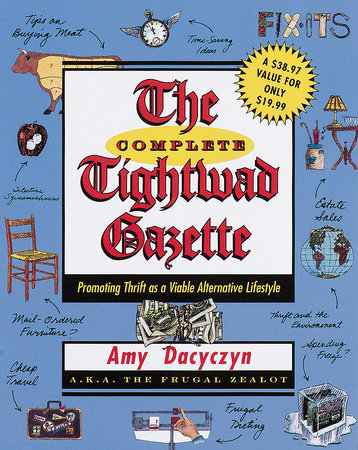
The Complete Tightwad Gazette
A massive collection of frugal household strategies covering groceries, utilities, clothing, transportation, repairs, gifts, reuse, debt avoidance, and countless everyday expenses.
EDG Quick Review
Strongest point: Few books offer this much practical frugality in one place; it is almost a reference encyclopedia for spending less.
Know first: It was compiled in the 1990s, so specific prices and some tactics are dated even when the underlying frugal reasoning still applies.
Key idea: Significant savings can come from repeatedly solving ordinary household expenses more creatively.

Suddenly Frugal
A room-by-room and errand-by-errand guide to making small changes that reduce recurring household costs without treating frugality as constant deprivation.
EDG Quick Review
Strongest point: Organizes savings ideas around normal household routines, making it easy to find something actionable immediately.
Know first: Some example dollar amounts are dated; evaluate savings using today’s prices rather than the original estimates.
Key idea: Several small recurring savings can matter more than one dramatic short-term cut.

Frugal Isn’t Cheap
A personal-finance guide built around spending responsibly, saving more, handling debt, planning large purchases, and distinguishing genuine value from simply buying the cheapest option.
EDG Quick Review
Strongest point: Presents frugality as thoughtful value-based decision-making rather than refusing to spend money.
Know first: It covers broader personal finance topics beyond frugal living, including debt and investing.
Key idea: Spending less works best when the goal is getting more value from money, not simply choosing the lowest price.
The Cheapskate Next Door
A humorous look at households that deliberately spend less through used purchases, negotiation, lower-cost entertainment, grocery savings, and a strong resistance to lifestyle inflation.
EDG Quick Review
Strongest point: Shows frugality as a lifestyle choice rather than a temporary response to financial trouble.
Know first: Some examples are intentionally extreme or humorous; readers can use the principles without copying every tactic.
Key idea: Financial freedom depends partly on the gap between what a household earns and what it chooses to consume.
Saving and Frugality Books About Minimalism & Buying Less
For readers whose spending is tied to clutter, constant consumption, impulse purchases, or the feeling that more possessions will create a better life.

The More of Less
A guide to intentionally owning fewer possessions so money, time, attention, and physical space can be redirected toward things that matter more.
EDG Quick Review
Strongest point: Connects decluttering to values and lifestyle rather than treating it as a one-time cleaning project.
Know first: The financial benefit is indirect; this is primarily a minimalism book rather than a detailed savings manual.
Key idea: Wanting and owning less can reduce the number of purchases competing for your income.

The Life-Changing Magic of Tidying Up
A famous decluttering method built around intentionally deciding what possessions to keep, which can change how readers think about acquiring and storing more things.
EDG Quick Review
Strongest point: Forces a full inventory of possessions, which can make unnecessary future purchases much harder to ignore.
Know first: It is an organizing book, not a personal-finance book; any savings benefit comes from changing consumption patterns.
Key idea: Being deliberate about what enters the home can matter just as much as being deliberate about what leaves it.

The Joy of Less
A structured minimalist-living guide for decluttering, organizing, reducing possessions, and creating household systems that make accumulating more stuff less automatic.
EDG Quick Review
Strongest point: Combines a minimalist philosophy with a concrete room-by-room process instead of leaving simplicity as an abstract idea.
Know first: The money benefit is a consequence of lower consumption rather than the primary curriculum.
Key idea: A home designed around enough makes constant acquisition less necessary.

The Art of Frugal Hedonism
A collection of ideas for lowering consumption and spending while increasing enjoyment through creativity, community, free experiences, resourcefulness, and simpler pleasures.
EDG Quick Review
Strongest point: Directly tackles the fear that spending less automatically means enjoying life less.
Know first: Some ideas reflect an environmentally focused simple-living philosophy rather than conventional personal-finance advice.
Key idea: Frugality becomes easier to sustain when the replacement lifestyle is genuinely enjoyable.
Saving and Frugality Books for Building a Sustainable Frugal Lifestyle
These books connect saving to the larger household system: budgeting, values, overspending triggers, financial independence, and defining what “enough” means.

The Minimalist Budget
A beginner-oriented approach to reducing unnecessary expenses, simplifying financial choices, lowering recurring costs, and creating more room for saving.
EDG Quick Review
Strongest point: Useful for readers who are overwhelmed by complicated budgeting systems and need to simplify first.
Know first: It is a lighter treatment than comprehensive budgeting books and works best as a starting point.
Key idea: Fewer unnecessary expenses can make both the budget and the saving process easier to manage.
Meet the Frugalwoods
A memoir about dramatically reducing consumption, increasing savings, rethinking career and lifestyle choices, and using frugality to create more financial flexibility.
EDG Quick Review
Strongest point: Demonstrates what aggressive frugality can look like when it is tied to a clearly defined life goal instead of saving for its own sake.
Know first: The family’s circumstances and choices are unusual and should be treated as one case study, not a universal blueprint.
Key idea: Frugality becomes more powerful when the saved money is intentionally buying future options.

The Recovering Spender
A personal story and structured program for identifying spending triggers, setting boundaries, auditing expenses, decluttering finances, changing values, and getting control of consumer debt.
EDG Quick Review
Strongest point: Takes overspending seriously as a recurring behavioral problem instead of assuming another spreadsheet will automatically fix it.
Know first: The recovery framework borrows from a 12-step model and includes faith-oriented material that will not fit every reader.
Key idea: A spending problem is easier to change once triggers, boundaries, and values are identified clearly.

Living Well, Spending Less
A practical and personal guide to controlling overspending, living on a realistic budget, reducing material excess, and redefining a good life around priorities rather than purchases.
EDG Quick Review
Strongest point: Connects spending behavior with family life, priorities, contentment, and practical household budgeting.
Know first: The book includes a Christian perspective and faith-based reflections alongside its financial guidance.
Key idea: Spending less is easier when the household has a clearer definition of what a good and meaningful life actually looks like.
Turn Saving and Frugality Books Into Real Savings
Reading about spending less is useful. The next step is turning one idea into a measurable savings goal and a repeatable household system.
More Saving, Spending and Money Behavior Books
Continue into budgeting, money psychology, personal-finance classics, or the complete Every Dollar Grows Books Library.