
Best Index Fund Books and Bogleheads Investing Guides
These index fund books include some of the best index fund books for beginners, Bogleheads investing books, passive investing books, and asset allocation books for learning diversification, low costs, portfolio construction, investor behavior, and long-term investing discipline.
Affiliate disclosure: As an Amazon Associate, Every Dollar Grows earns from qualifying purchases at no additional cost to you.
16 Index Fund Books: Choose the Right Investing Guide
Use the Best For labels and EDG Quick Reviews to find the index-fund, Bogleheads, or asset-allocation book that matches what you need to understand next.

The Little Book of Common Sense Investing
Bogle’s concise case for broad-market index investing, low costs, long holding periods, and resisting the urge to continually search for winning funds or managers.
EDG Quick Review
Strongest point: Explains the importance of investment costs and why capturing broad market returns can be a more durable approach than constantly trying to identify future winners.
Know first: It explains the philosophy extremely well but spends less time on practical account selection, taxes, and building a complete household investment plan.
Key idea: Investors cannot control future market returns, but they can control costs, diversification, behavior, and how long they remain invested.

The Bogleheads’ Guide to Investing
A broad beginner-friendly guide to saving, diversification, asset allocation, fund costs, taxes, investor behavior, retirement accounts, and staying the course.
EDG Quick Review
Strongest point: Turns the Bogleheads philosophy into a practical personal-investing framework rather than focusing only on why index funds exist.
Know first: This is broader than an index-fund manual; it covers many parts of personal investing and financial planning.
Key idea: A diversified, low-cost plan that you understand and can maintain is more useful than a complicated strategy you continually change.

A Random Walk Down Wall Street
A long-running investing classic that examines market efficiency, diversification, bubbles, behavioral mistakes, index funds, and building a practical long-term portfolio.
EDG Quick Review
Strongest point: Connects the theory behind market efficiency with a practical case for diversified, low-cost investing rather than relying on forecasts or stock-picking skill.
Know first: The book covers far more than index funds, including market history, behavioral finance, newer investment trends, and life-cycle portfolio decisions.
Key idea: Consistent saving, broad diversification, low costs, and a long time horizon can matter more than trying to predict the next market winner.

The Bogleheads’ Guide to the Three-Fund Portfolio
A focused explanation of a portfolio built around broad U.S. stock, international stock, and bond index funds rather than a large collection of overlapping investments.
EDG Quick Review
Strongest point: Shows how a surprisingly small number of funds can provide broad diversification across stocks and bonds.
Know first: The three-fund structure is a framework, not one universal allocation. Stock-versus-bond percentages still depend on goals, time horizon, and risk tolerance.
Key idea: Portfolio simplicity does not have to mean narrow diversification.

The Four Pillars of Investing, Second Edition
A modernized guide built around investment theory, market history, investor psychology, and the business of investing—four areas Bernstein argues investors need to understand together.
EDG Quick Review
Strongest point: Combines portfolio construction with history and behavioral discipline, helping explain not only what a diversified portfolio looks like but why investors often abandon good plans.
Know first: It is more detailed than a quick-start index-fund guide and is better for readers willing to spend time understanding the reasoning behind the strategy.
Key idea: A sound portfolio depends on more than fund selection; understanding risk, history, behavior, and incentives helps investors stay with the plan.

All About Asset Allocation, Second Edition
A focused guide to asset allocation, diversification, correlations, risk, expected returns, and combining stocks, bonds, real estate, and other asset classes into a portfolio.
EDG Quick Review
Strongest point: Goes deeper than most beginner books on how different asset classes interact and why portfolio structure matters more than simply collecting good funds.
Know first: The book is more allocation-focused than account-focused, and some examples and market data are older even though the portfolio concepts remain useful.
Key idea: The job is not merely to choose investments; it is to decide how different investments should work together.

The Intelligent Asset Allocator
A quantitative but readable introduction to risk, return, diversification, market efficiency, rebalancing, and constructing portfolios from multiple asset classes.
EDG Quick Review
Strongest point: Makes the mechanics of diversification more concrete by showing how asset combinations can change portfolio behavior rather than treating diversification as a slogan.
Know first: It is more technical than The Bogleheads’ Guide to Investing and may be better as a second or third investing book rather than a first.
Key idea: Portfolio risk depends on how assets behave together, not only on the risk of each investment viewed separately.

Common Sense on Mutual Funds
A deeper treatment of fund costs, diversification, taxes, market expectations, fund selection, investor behavior, and the long-term case for disciplined investing.
EDG Quick Review
Strongest point: Goes well beyond slogans about low fees and explains why expenses, turnover, taxes, expectations, and discipline affect an investor’s net result.
Know first: It is substantially denser than Bogle’s Little Book, and some examples reflect older market and fund environments.
Key idea: What an investment earns before costs is less important to the investor than what remains after costs, taxes, and mistakes.

All About Index Funds, Second Edition
A dedicated guide to how index funds work, different stock and bond indexes, ETFs, portfolio construction, costs, rebalancing, and using indexed investments across asset classes.
EDG Quick Review
Strongest point: Stays tightly focused on the mechanics and variety of index funds rather than treating indexing as only one chapter inside a broader investing book.
Know first: The second edition predates many newer ETFs and today’s ultra-low-cost fund landscape, so specific product examples should be checked against current options.
Key idea: Index investing is a method of gaining market exposure efficiently; the specific index and role in the portfolio still matter.

The Investor’s Manifesto
A lifetime-investing framework covering risk, stocks and bonds, market efficiency, saving, portfolio construction, financial-industry incentives, and maintaining discipline during panics and manias.
EDG Quick Review
Strongest point: Places investor behavior and financial history alongside portfolio mechanics, which helps explain why a technically good strategy can still fail when the investor abandons it.
Know first: It was shaped by the financial-crisis era, so some context is historical, but the discipline and portfolio lessons are broader than that period.
Key idea: A durable investing plan must be designed not only for expected markets but also for the investor’s ability to stay with it during frightening ones.
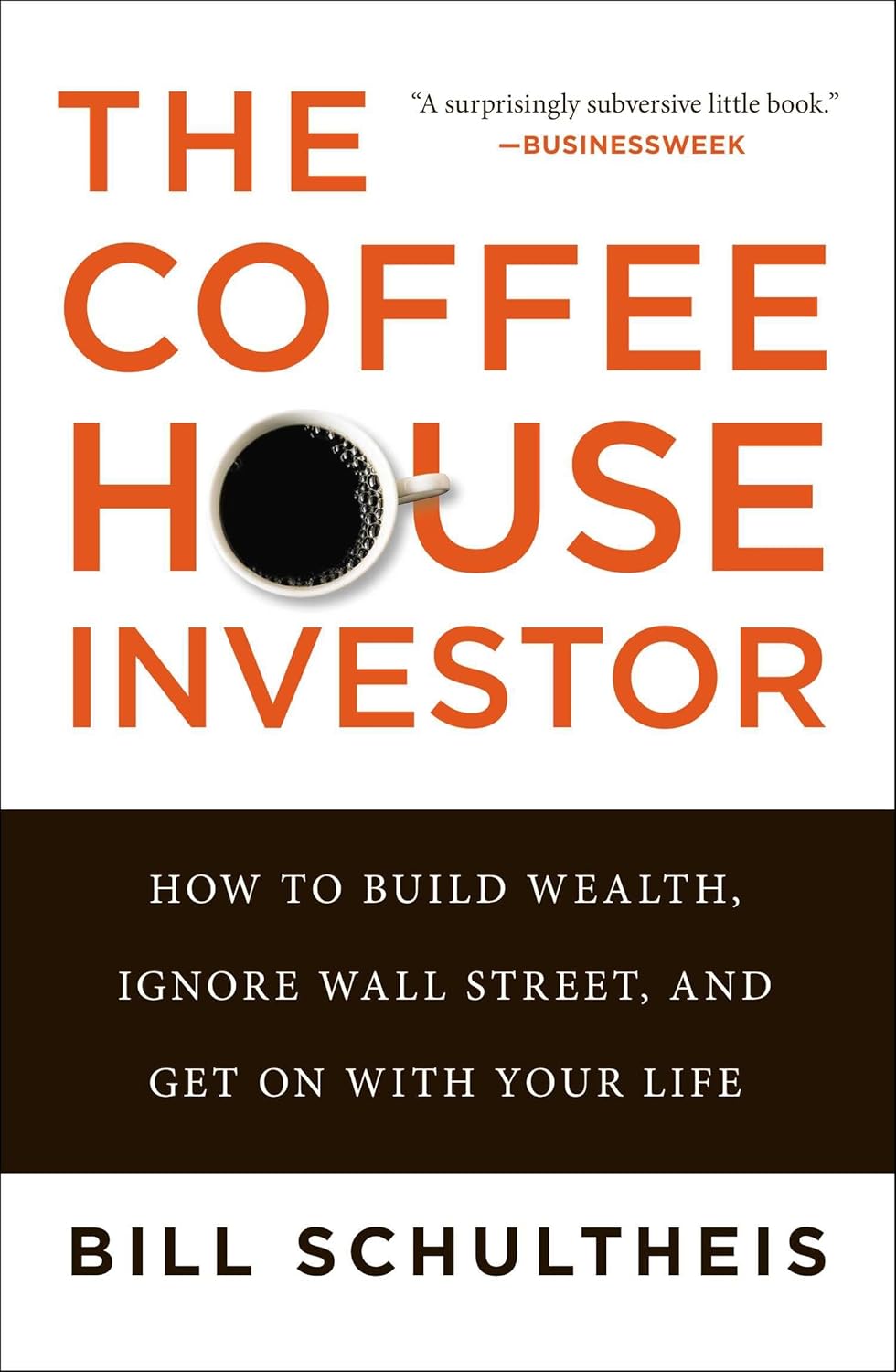
The Coffeehouse Investor
A relaxed introduction to diversified, low-maintenance investing that emphasizes asset allocation, low costs, patience, and spending less time reacting to Wall Street predictions.
EDG Quick Review
Strongest point: Makes simple investing feel achievable for readers who assume a successful portfolio must require constant research and trading.
Know first: It intentionally stays lighter on technical detail than the Bogleheads guides or Bernstein’s deeper books.
Key idea: Investors can devote less attention to forecasts and more attention to diversification, allocation, saving, and behavior.

How a Second Grader Beats Wall Street
A plain-language case for minimizing costs, diversifying broadly, controlling taxes, avoiding unnecessary complexity, and building portfolios from a few basic components.
EDG Quick Review
Strongest point: Uses a deliberately simple framework to show that sophisticated-looking portfolios are not automatically better portfolios.
Know first: The examples are older and some account or fund details have changed, so use the principles rather than treating every implementation detail as current.
Key idea: Simplicity, low costs, diversification, and discipline can be powerful advantages for ordinary investors.

The Smartest Investment Book You’ll Ever Read
A concise argument for low-cost passive investing, sensible asset allocation, avoiding market timing and stock picking, and reducing dependence on high-fee investment products.
EDG Quick Review
Strongest point: Keeps the core passive-investing message short and actionable for readers who do not want hundreds of pages of portfolio theory.
Know first: Its specific fund examples are dated, and some claims are stated more aggressively than a modern evidence-based guide might phrase them.
Key idea: A simple, diversified, low-cost portfolio can remove many of the decisions that tempt investors into expensive mistakes.

The Only Guide to a Winning Investment Strategy You’ll Ever Need
A detailed case for passive investing, market efficiency, diversification, risk and return, and constructing a balanced portfolio rather than relying on active security selection.
EDG Quick Review
Strongest point: Moves beyond simply recommending index funds and explains how passive investing fits inside a broader evidence-based portfolio strategy.
Know first: The revised edition is older, so fund availability and market examples need current verification even though the underlying framework remains useful.
Key idea: Investment strategy should be based on evidence, diversification, and controllable factors rather than confidence in forecasts.

Unshakeable
A mainstream investing guide focused on market volatility, fees, diversification, investor psychology, and maintaining a long-term plan when markets become uncomfortable.
EDG Quick Review
Strongest point: Helps newer investors understand that downturns are part of investing and that emotional decisions can damage a long-term plan.
Know first: This is not specifically a Bogleheads book or a pure index-fund manual, and its tone is more motivational than Bogle’s writing.
Key idea: Decide how you will respond to volatility before the market gives you a reason to panic.

The Bogleheads’ Guide to Retirement Planning
A broad retirement-planning guide covering investment accounts, portfolio structure, taxes, Social Security, insurance, withdrawals, estate planning, and retirement decisions.
EDG Quick Review
Strongest point: Shows that retirement planning involves much more than choosing investments; taxes, insurance, withdrawal planning, estate issues, and account structure all matter.
Know first: The book was published more than a decade ago, so current tax limits, laws, Social Security rules, and account details should always be checked against current sources.
Key idea: A retirement portfolio works inside a larger retirement plan, not in isolation.
Turn Index Fund Books Into a Simple Investing Plan
Reading explains the philosophy. These EDG tools and guides help you understand the practical decisions behind a diversified long-term portfolio.
More Investing and Personal Finance Books
Continue into broader investing, investor behavior, personal-finance classics, or the full Every Dollar Grows Library.