
16 Best Teen Money Books for Budgeting, Investing & Financial Independence
These teen money books help teenagers learn how to budget, save, earn, understand banking and credit, begin investing, prepare for college and work, and build financial independence before adulthood. This collection includes teen personal finance books, budgeting books for teens, investing books for teens, and financial literacy books for teens ranging from younger-teen introductions to books designed for students approaching graduation.
Affiliate disclosure: As an Amazon Associate, Every Dollar Grows earns from qualifying purchases at no additional cost to you.
How to use this list: Younger teens usually benefit most from a broad money introduction before moving into investing. Older teens preparing for a first job, college, credit, rent, or living away from home can move directly into the financial-independence section. Several older books remain useful for timeless principles, but their current interest rates, limits, technology, tax rules, or product examples should be verified separately.
Teen Money Books for Budgeting, Saving & Smart Spending
Start with the basic skills every teenager needs: understanding where money comes from, deciding where it should go, saving for goals, controlling spending, and learning how everyday financial choices fit together.

How to Money
A broad financial starter guide covering budgeting, saving, credit, banking, college decisions, earning money, and building financial confidence.
EDG Quick Review
Strongest point: Covers several important money topics in one approachable starting resource instead of assuming the reader already understands personal finance.
Know first: Because it covers many subjects, teens who become especially interested in investing, college planning, or credit may eventually want a more focused resource.
Key idea: Financial independence becomes easier when teens understand how earning, saving, spending, borrowing, and planning connect.

I Want More Pizza
A short and relatable introduction to budgeting, saving, debt avoidance, spending decisions, and building smarter financial habits without making personal finance feel like a textbook.
EDG Quick Review
Strongest point: Keeps the concepts approachable for teens who may lose interest in a long or technical money book.
Know first: Its simplicity is the point. It provides a foundation rather than an exhaustive guide to every area of finance.
Key idea: A few good money habits practiced early can matter more than waiting until adulthood to learn everything at once.

Money Skills for Teens
A practical beginner guide that teaches teens how to budget, save, earn money, avoid debt, and develop confidence making real-world financial decisions.
EDG Quick Review
Strongest point: Focuses on skills teens can begin practicing now instead of treating personal finance as something that only matters after they leave home.
Know first: Teens will get more value when they pair the lessons with real money they earn, save, budget, or spend.
Key idea: Financial confidence grows through repeated experience making small money decisions responsibly.

Not Your Parents’ Money Book
A youth-focused guide to making, saving, spending, basic economics, and financial decision-making, built around questions and perspectives gathered from young people.
EDG Quick Review
Strongest point: Explains money through situations and questions that younger readers can understand instead of simply shrinking down an adult finance book.
Know first: It was published in 2010, so economic examples, rates, limits, and some financial-product details should be treated as historical rather than current.
Key idea: Understanding how money works makes saving and spending decisions feel less arbitrary.
Teen Money Books for Earning, Responsibility & Better Habits
Money skills become more meaningful once a teen begins earning. These books connect money with work, entrepreneurship, goals, discipline, stewardship, saving, and learning to make intentional decisions with income.
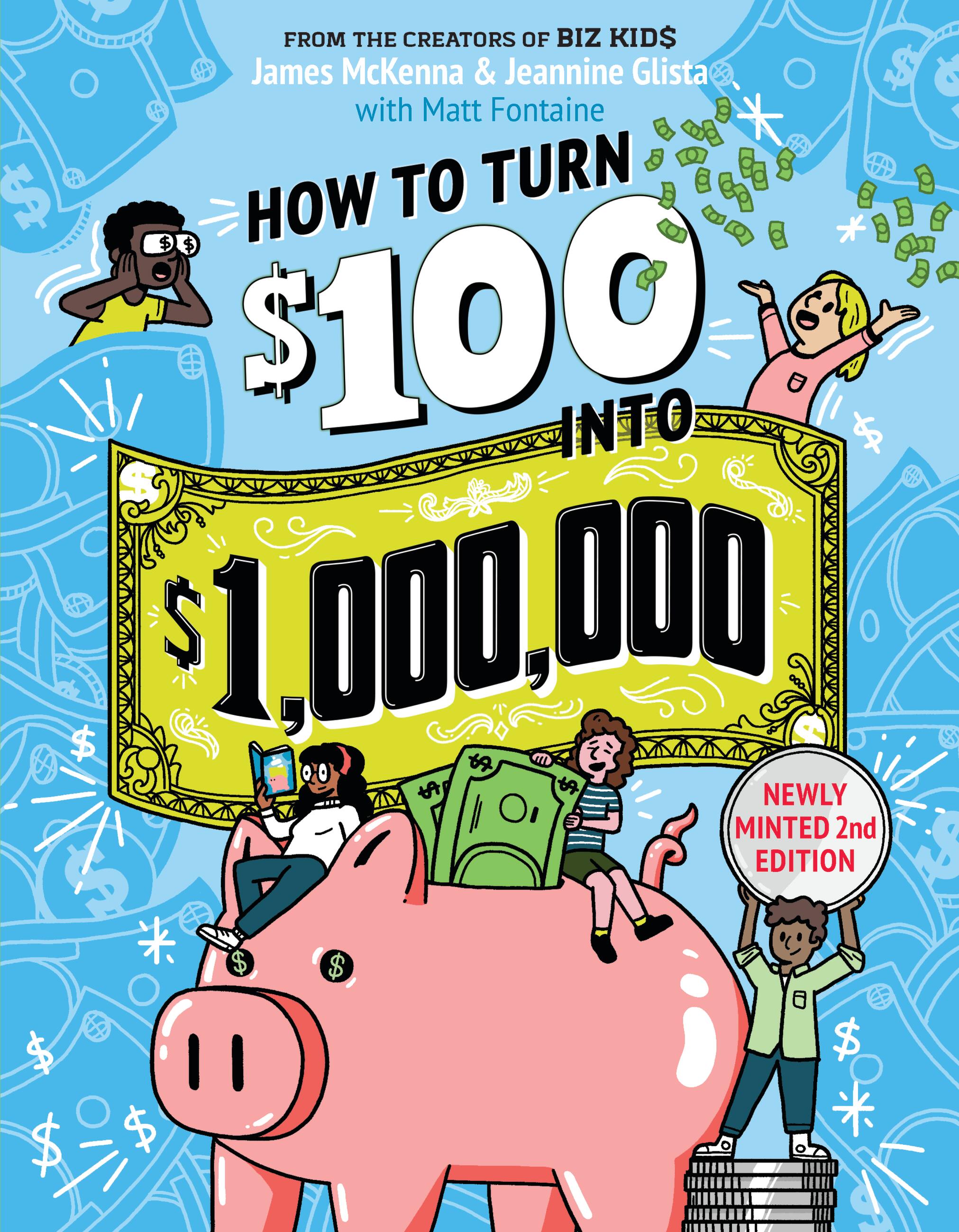
How to Turn $100 Into $1,000,000
The updated second edition combines first-job preparation, earning, saving, budgeting, entrepreneurship, compound growth, and introductory investing in a highly visual format aimed at younger readers.
EDG Quick Review
Strongest point: Connects earning money with what happens next—saving it, planning with it, starting something, and eventually investing it.
Know first: The title is motivational, not a promise that following a formula will turn a specific amount into one million dollars.
Key idea: Wealth-building starts with earning and keeping part of what you earn before investment returns can do much work.

The Money Club for Teens
A workbook-style guide using saving challenges, budgeting exercises, spending reflection, and step-by-step money principles designed specifically for teenagers.
EDG Quick Review
Strongest point: Gives teens activities to complete instead of relying only on passive reading.
Know first: Workbook material only becomes useful if the exercises are actually completed and revisited as income or goals change.
Key idea: Money becomes easier to understand when teens practice budgeting and saving with concrete numbers.

The 7 Habits of Highly Effective Teens
Not strictly a finance book, but a practical guide to responsibility, planning, goal-setting, decision-making, and habits that can strongly influence future financial behavior.
EDG Quick Review
Strongest point: Addresses the habits underneath many financial decisions rather than focusing only on money mechanics.
Know first: Teens looking specifically for budgeting, banking, or investing instructions should pair it with one of the finance-focused books on this page.
Key idea: Planning, discipline, and thoughtful decision-making support nearly every area of long-term financial success.

Money Matters for Teens
A Christian approach to money that connects budgeting, earning, saving, borrowing, career planning, giving, stewardship, and financial independence with biblical principles and personal responsibility.
EDG Quick Review
Strongest point: Gives families looking for explicitly Christian financial education a teen-focused option rather than requiring them to adapt an adult finance book.
Know first: The revised edition is from 2001. Its principles may remain useful, but current banking, credit, tax, investing, and regulatory details should be verified separately.
Key idea: Money management is treated as a question of values and stewardship as well as mathematics.
Investing Books for Teens Learning How Money Grows
These investing books for teens introduce compound growth, stocks, funds, diversification, risk, investment goals, and the advantage of having a long time horizon. Teens should understand saving and basic budgeting before putting real money at investment risk.

Growing Money
A beginner-friendly investing guide covering stocks, mutual funds, compound interest, and the basic idea of putting money to work over long periods of time.
EDG Quick Review
Strongest point: Introduces investing concepts without expecting teens to already understand markets or investment terminology.
Know first: Learning investment concepts is different from choosing a particular investment. Teens should understand risk and diversification before using real money.
Key idea: Starting early gives compound growth more time to work.

A Teen Guide to Investing
A straightforward introduction to compound interest, stocks, long-term planning, and why beginning early can have a major impact on future financial growth.
EDG Quick Review
Strongest point: Frames investing around the unusually long time horizon teens have rather than short-term market excitement.
Know first: Investing comes after basic financial foundations such as understanding spending, saving, emergency needs, and the possibility of losing money.
Key idea: Time can be one of a young investor’s greatest advantages.
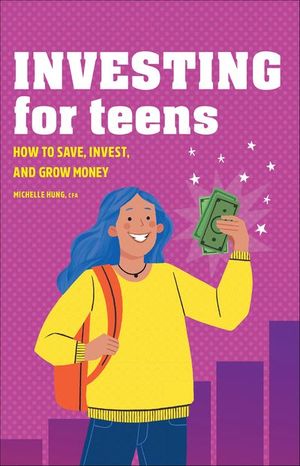
Investing for Teens
A teen-focused introduction to financial goals, budgeting, debt, stocks, bonds, investment research, risk tolerance, summer jobs, and building a savings and investing plan for life after high school.
EDG Quick Review
Strongest point: Connects investing with the rest of a teen’s financial life instead of jumping directly from having cash to buying investments.
Know first: Understanding individual investments does not mean a teen needs to actively trade or pick stocks. Diversification and risk still matter.
Key idea: Investing works best as part of a broader financial plan rather than as a shortcut to quick money.
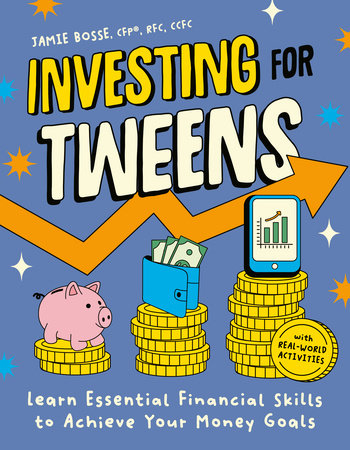
Investing for Tweens
A 2026 guide for ages 10–14 that starts with earning, budgeting, banking, and saving before introducing compound interest, risk, diversification, investing, and sample portfolio activities.
EDG Quick Review
Strongest point: One of the newest books in the collection and specifically designed for the younger end of the teen-money learning path.
Know first: It discusses newer topics including fintech, blockchain, and cryptocurrency. Those sections should be understood as education about the landscape, not a reason to speculate.
Key idea: A teen can learn investing safely by first understanding goals, risk, diversification, and how a portfolio works before committing money.
Teen Money Books for College & Financial Independence
This section is especially useful for older teens preparing for graduation, college, a full-time job, credit, independent banking, student expenses, insurance, taxes, rent, or managing money without a parent making every decision.

Rich Dad Poor Dad for Teens
A teen-focused introduction to ideas about assets, liabilities, earning power, money decisions, and thinking intentionally about long-term financial independence.
EDG Quick Review
Strongest point: Encourages teens to think beyond earning and spending and consider how financial choices can create or consume future resources.
Know first: Treat its broad concepts as a starting point rather than a substitute for understanding investment risk, taxes, debt, or specific financial products.
Key idea: How money is used can matter as much as how much money is earned.

Personal Finance for Teens
A second-edition guide designed around the transition from high school to college, covering resumes, spending plans, financial aid, credit scores, credit cards, car ownership, and beginning retirement saving.
EDG Quick Review
Strongest point: Targets decisions older high school students are actually approaching rather than keeping every lesson theoretical.
Know first: College costs, aid programs, account limits, tax rules, and financial products change, so current implementation details should always be checked.
Key idea: Financial independence is easier when a student understands the cost of a decision before signing a loan, opening an account, buying a car, or moving out.

Broke Millennial
A conversational young-adult guide to budgeting, debt, financial relationships, student loans, everyday money decisions, and taking control of finances when adult life begins.
EDG Quick Review
Strongest point: Makes adult financial situations feel approachable instead of presenting them as a collection of abstract rules.
Know first: It was written primarily for twenty- and thirty-somethings, so it fits best for older teens, graduates, or young adults rather than younger teenagers.
Key idea: Learning how to talk about money and make everyday decisions matters alongside knowing financial formulas.
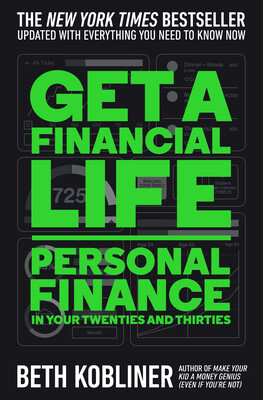
Get a Financial Life
The fully revised 2026 edition covers banking, debt, credit, saving, investing, insurance, taxes, rent versus buying, online financial services, fraud, cryptocurrency, and the money decisions facing Gen Z and young adults.
EDG Quick Review
Strongest point: It is substantially more current than many classic young-adult finance books and addresses financial systems older teens will soon encounter.
Know first: The book is formally aimed at people in their twenties and thirties, making it most useful here as a bridge for graduating teens rather than a first finance book for a 13-year-old.
Key idea: New adults do not need to know everything at once, but they do need a reliable framework for deciding what deserves attention first.
Turn Teen Money Books Into Real Money Skills
Reading provides the vocabulary and concepts. Real progress comes when a teen uses those lessons with actual income, a savings goal, a spending decision, a simple budget, or a carefully supervised introduction to investing.
More Financial Education After These Teen Money Books
Continue into budgeting, investing, financial behavior, or the complete Every Dollar Grows Personal Finance Books Library.
Teen Money Books FAQ
Choosing the right book depends more on a teen’s age, existing knowledge, and next real-life money decision than on finding one book that tries to teach everything.
What are the best teen money books for a complete beginner?
How to Money, I Want More Pizza, and Money Skills for Teens are strong starting choices because they focus on the basic connection between earning, spending, saving, budgeting, and financial responsibility before getting too technical.
What are good personal finance books for high school students?
Older high school students should look for books that go beyond allowance and saving. Personal Finance for Teens is especially relevant for college, credit, financial aid, cars, and leaving home, while the 2026 edition of Get a Financial Life is a strong bridge into the financial decisions that begin after graduation.
Which books teach teenagers about investing?
Growing Money, A Teen Guide to Investing, Investing for Teens, and Investing for Tweens all introduce investing at a beginner level. Teens should understand saving, budgeting, risk, and diversification before treating investing as the next step.
Are older money books for teenagers still useful?
Often, yes. Principles such as saving consistently, spending less than you earn, avoiding unnecessary debt, and planning ahead can remain useful for decades. However, older books may contain outdated interest rates, tax limits, investment products, technology, college costs, or banking rules. Use them for principles and verify current implementation details.
Is there a Christian money book for teens on this list?
Yes. Money Matters for Teens by Larry Burkett approaches earning, saving, spending, debt, giving, and financial responsibility from an explicitly Christian stewardship perspective. Because it is an older book, current financial rules and product details should be checked separately.
Should a teenager learn budgeting or investing first?
A teen does not need to master a complicated budget before learning what investing is, but basic cash management should come first in practice. Knowing how to save consistently, control spending, maintain money for near-term needs, and understand risk creates a stronger foundation for long-term investing.